












On May 26, the Teacher Orientation Webinar on the China-ASEAN Student Video Activity for STEM Innovation Practice was successfully held. The event was jointly organized by the Southeast Asian Ministers of Education Organization Regional Centre for STEM Education (SEAMEO STEM-ED), National Science and Technology Development Agency of Thailand (NSTDA), UNESCO International Research and Training Centre for Rural Education (INRULED), and the Chongqing Bashu Primary School Education Group. Teachers from China, Thailand, and various Southeast Asian countries gathered online to engage in in-depth discussions on video collection rules, STEM project design concepts, innovative practical cases, and teacher professional development.
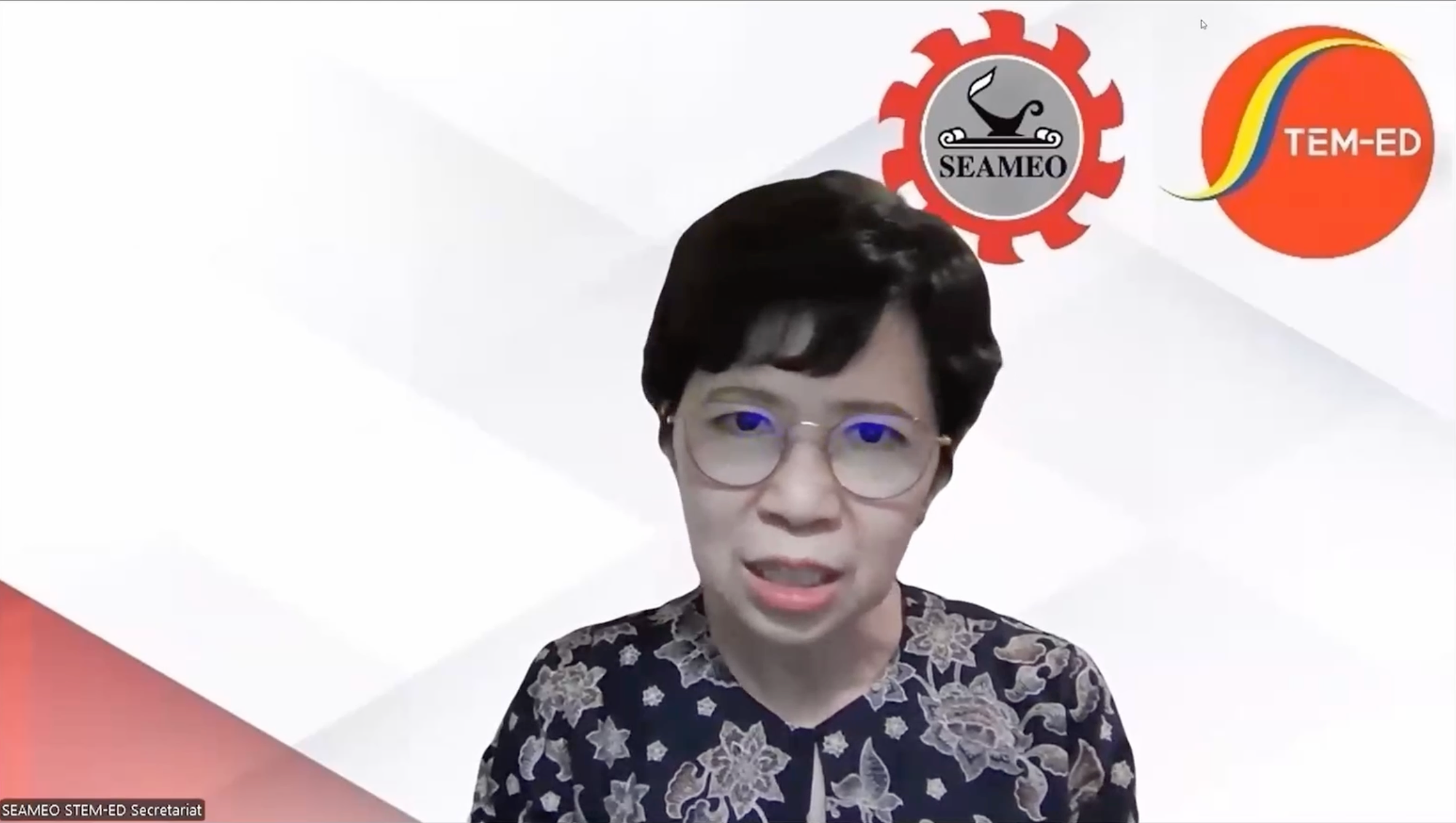
During the opening remarks, Dr. Kessara Amornvuthivorn, Director of SEAMEO STEM-ED, pointed out that the student video activity prioritizes showcasing authentic learning processes, fostering students’ critical thinking, problem-solving, evidence-based reasoning, and teamwork skills. In the era of artificial intelligence, students should remain the subjects of knowledge, with emphasis on inquiry-based and authentic learning.
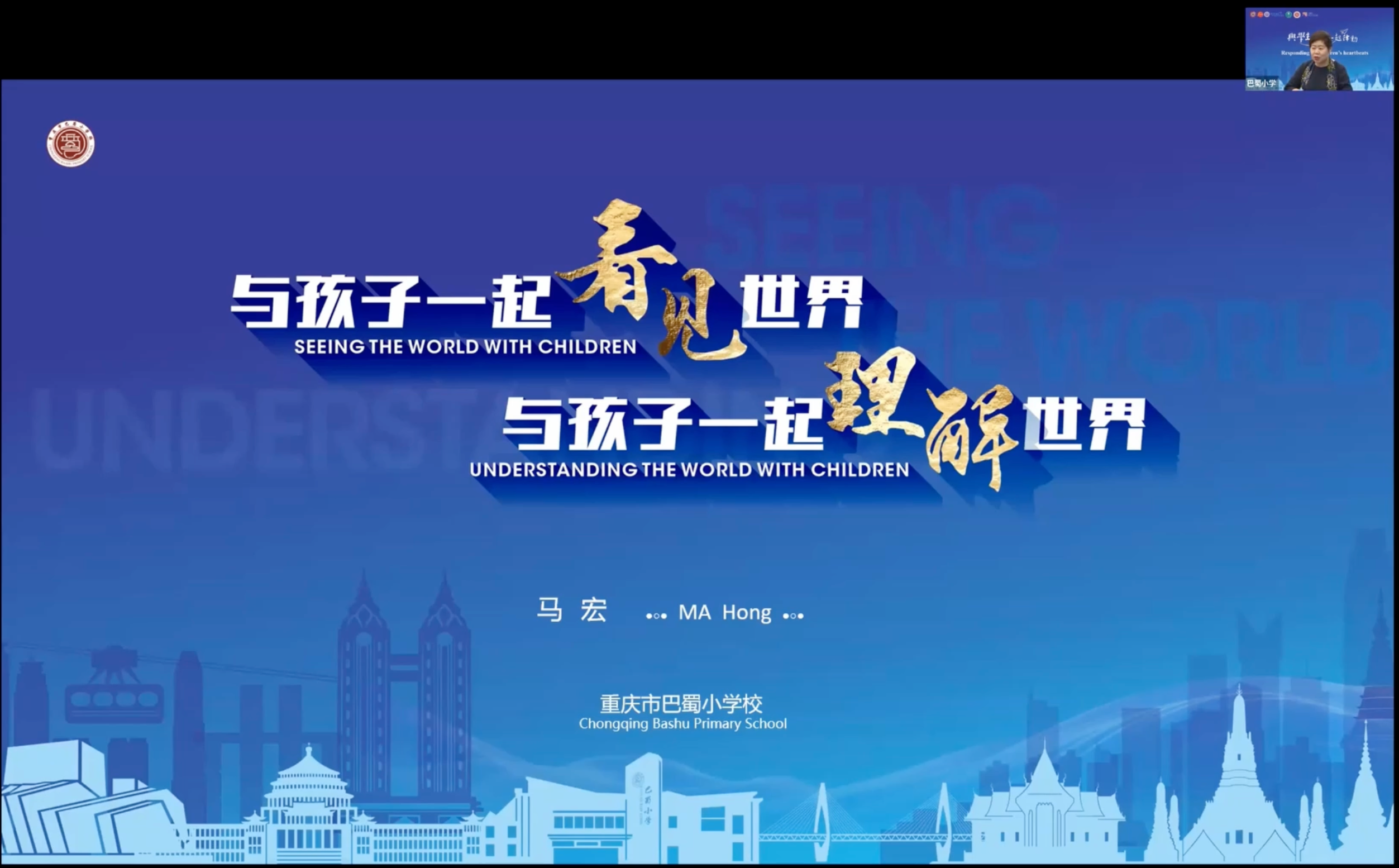
Ms. Ma Hong, General Principal of Chongqing Bashu Primary School, reviewed the school’s open and inclusive educational tradition and the progress of distinctive international exchange projects such as “Play with Math”, She highlighted the school’s practices in deepening STEM educational innovation, promoting digital transformation in education, and actively participating in global education governance through the “Online Bashu”digital platform, strategic planning, curriculum empowerment, and various micro-innovations.
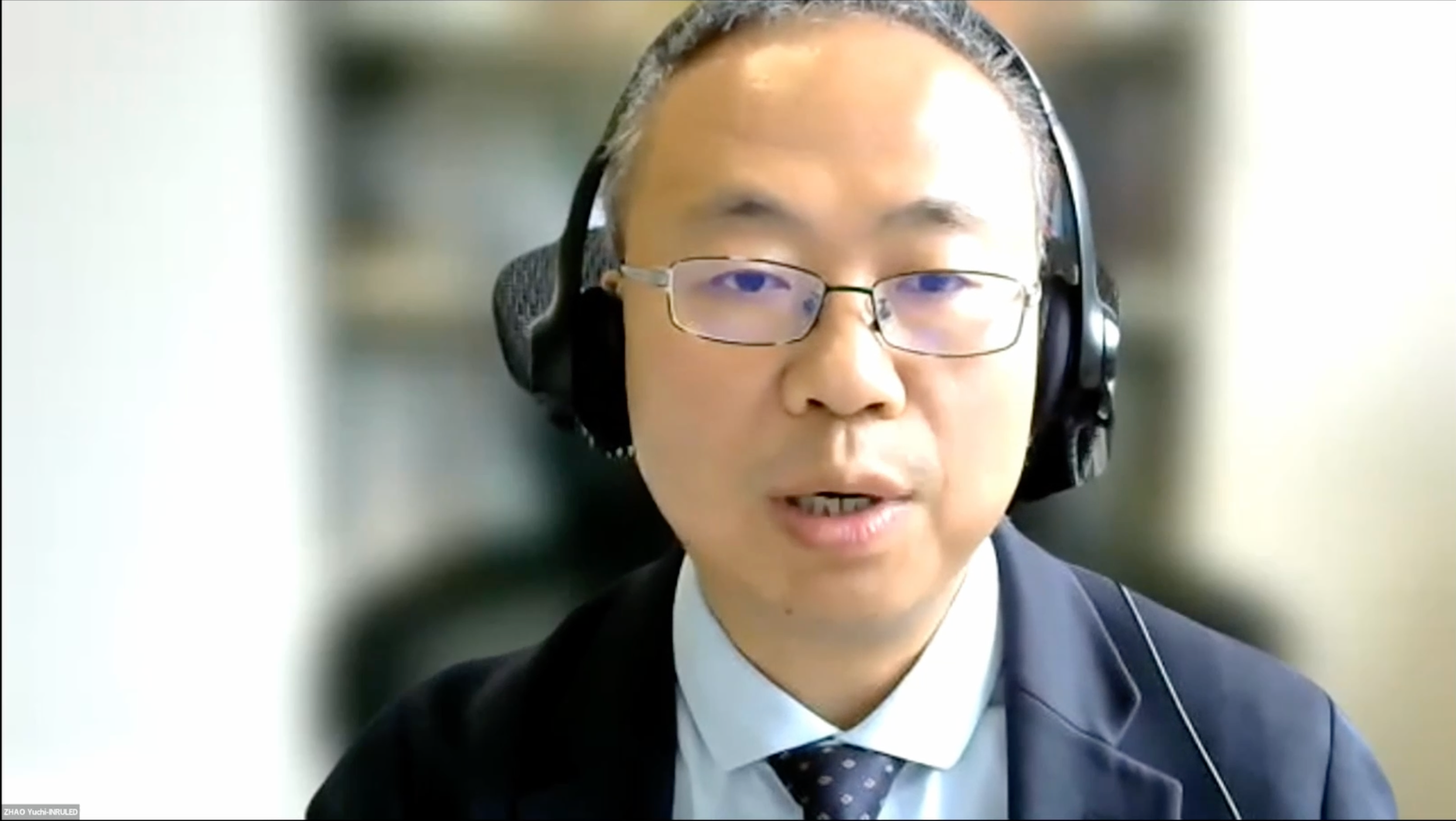
Dr. Zhao Yuchi, Executive Director of INRULED, stressed that STEM education should be grounded in daily life and local contexts, fully leveraging the advantages of rural resources. Digital tools should adhere to the principles of appropriateness, equity, and sustainability. Education should always remain people-centered, strengthening the guiding role of teachers and developing STEM education innovation pathways suitable for rural areas. He expressed hope that this activity would serve as an opportunity to deepen regional exchanges and international cooperation in the field of STEM education.
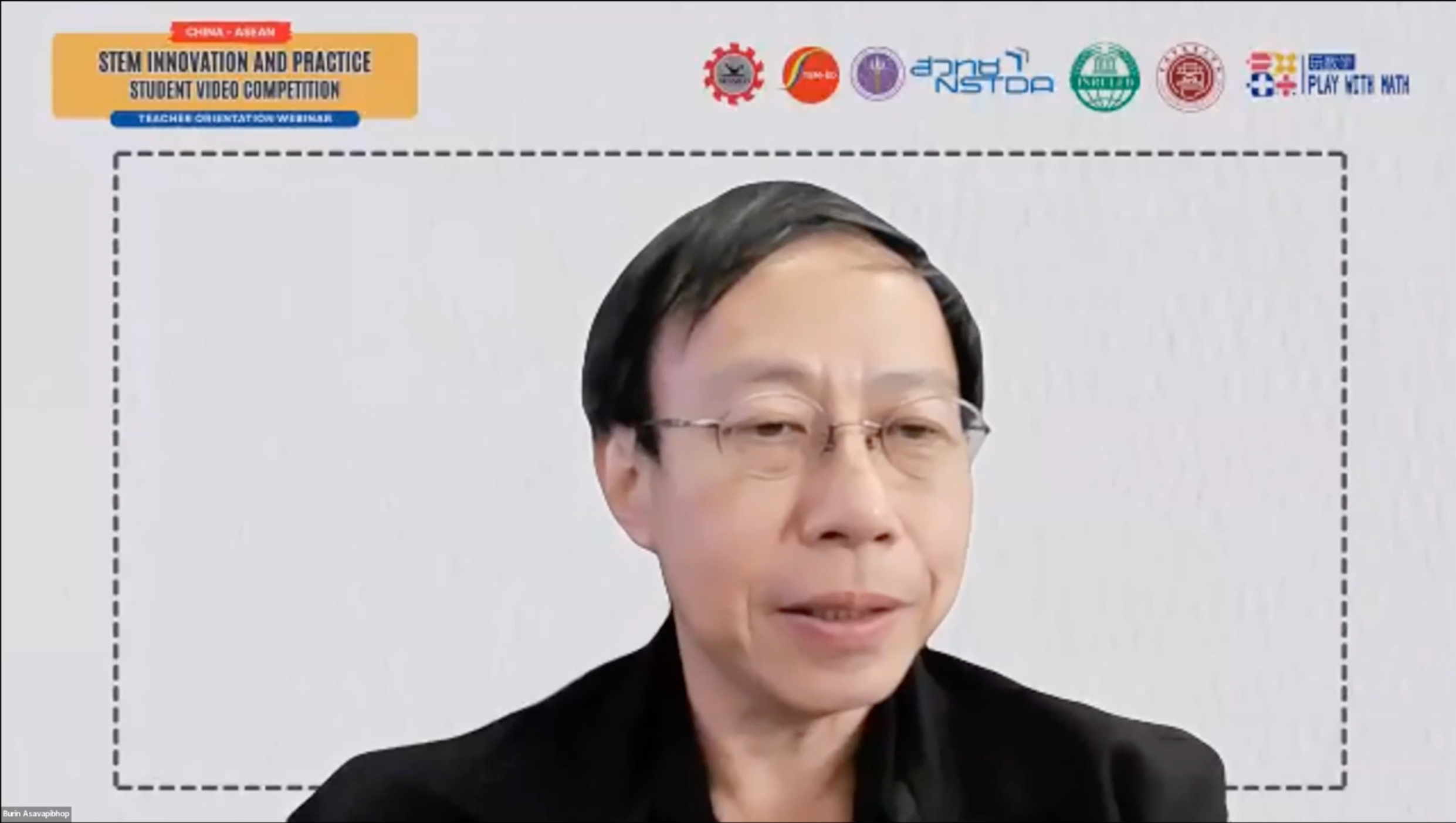
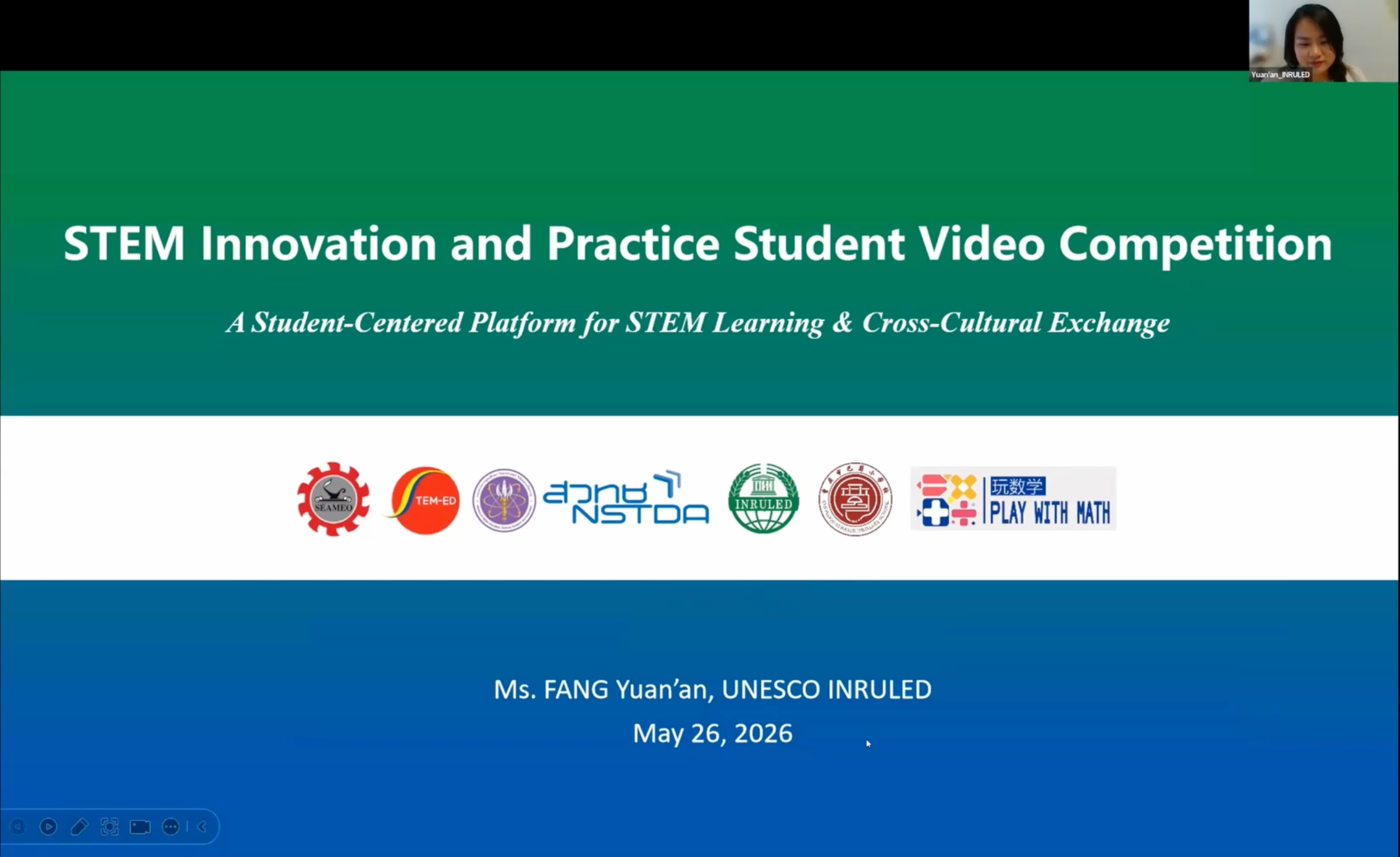
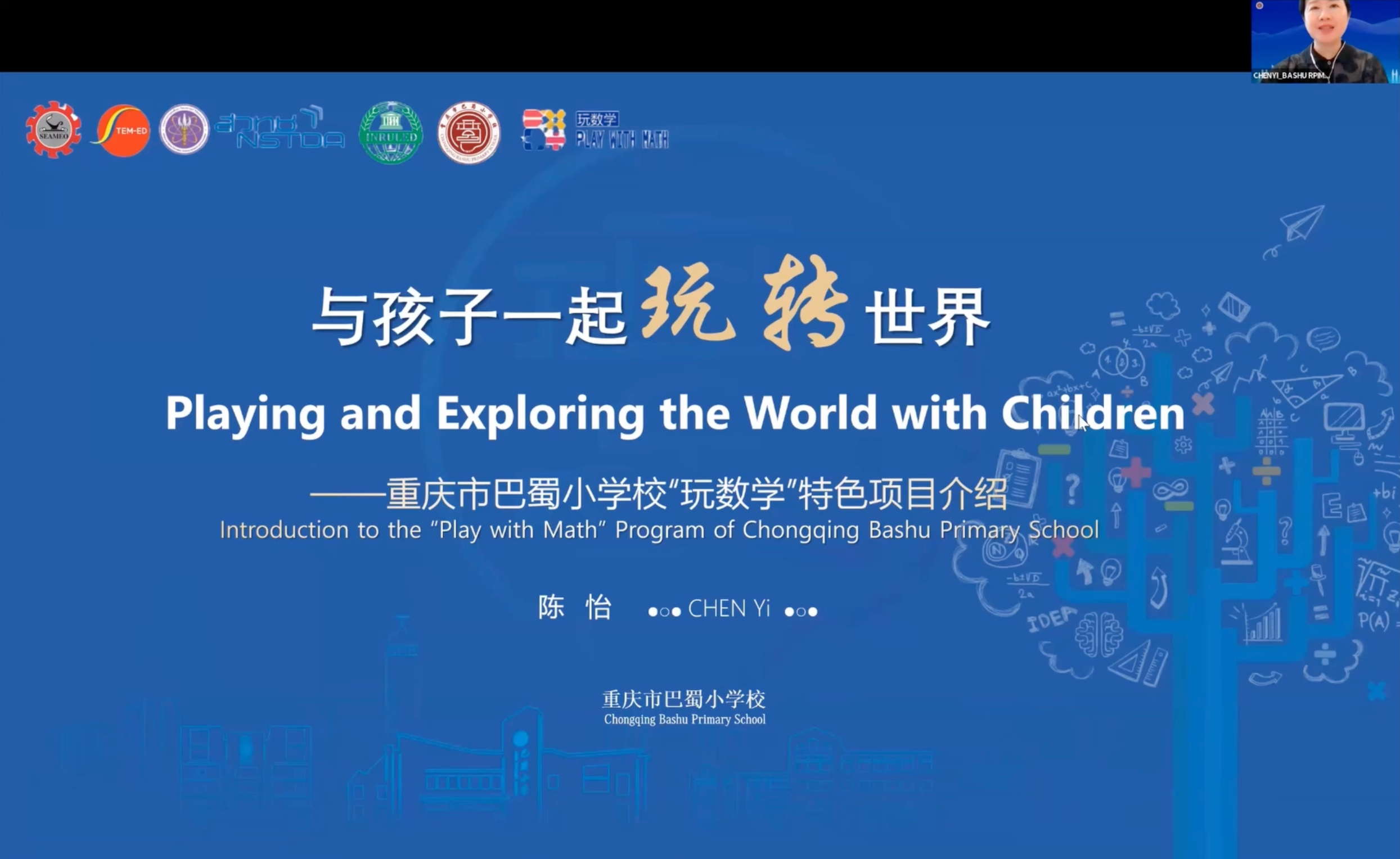
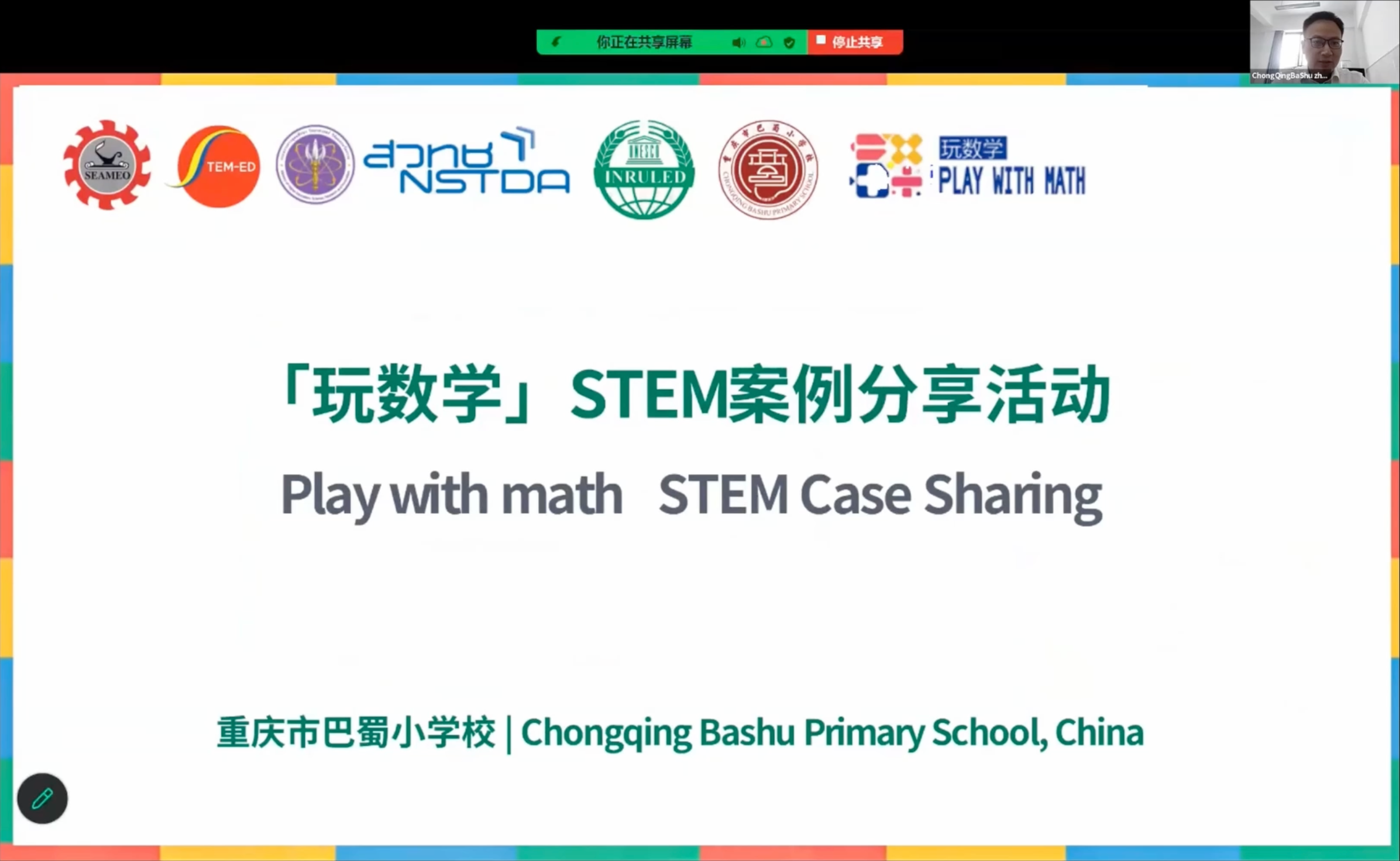
During the project interpretation session, Dr. Burin Asaviphugh, Senior Programme Manager at SEAMEO STEM-ED, shared STEM teaching frameworks such as CER (Claim-Evidence-Reasoning) and system modeling, along with best practices, providing internationally referable models for STEM activity design. Ms. Fang Yuan’an, Programme Coordinator at INRULED, detailed the requirements of the video call for entries, explaining the design concept of placing students at the center, focusing on the participation process, and promoting the development and sharing of online teaching resources. Ms. Chen Yi, Vice Principal of Chongqing Bashu Primary School, shared the school’s localized innovative practice of transforming classroom innovations into digital videos, using the “Play with Math” project as an example.
The opening remarks and project interpretation session were moderated by Dr. Qi Xinjian, Assistant Director of INRULED.
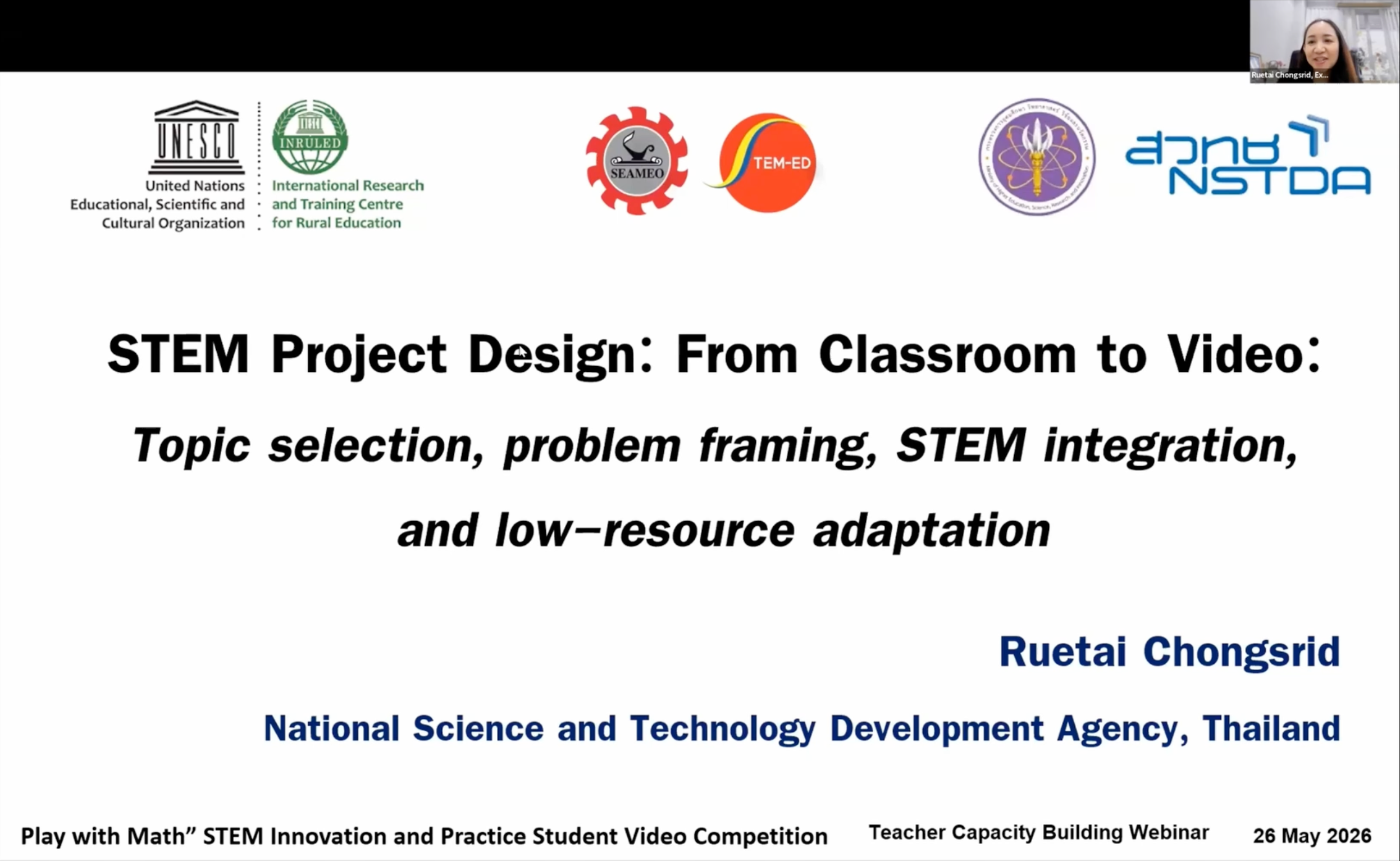
The expert keynote speech session focused on how to design innovative STEM projects. Ms. Ruetai Chongsrid, Senior Director of Academic Services and Curriculum Evaluation for Human Development Division at NSTDA, delivered a keynote speech, proposing “co-construction, inquiry-based learning, and metacognition” as the pillars of STEM teaching. Using life-oriented cases such as energy, environment, and culture, she demonstrated the application of science, technology, and mathematics in project design.
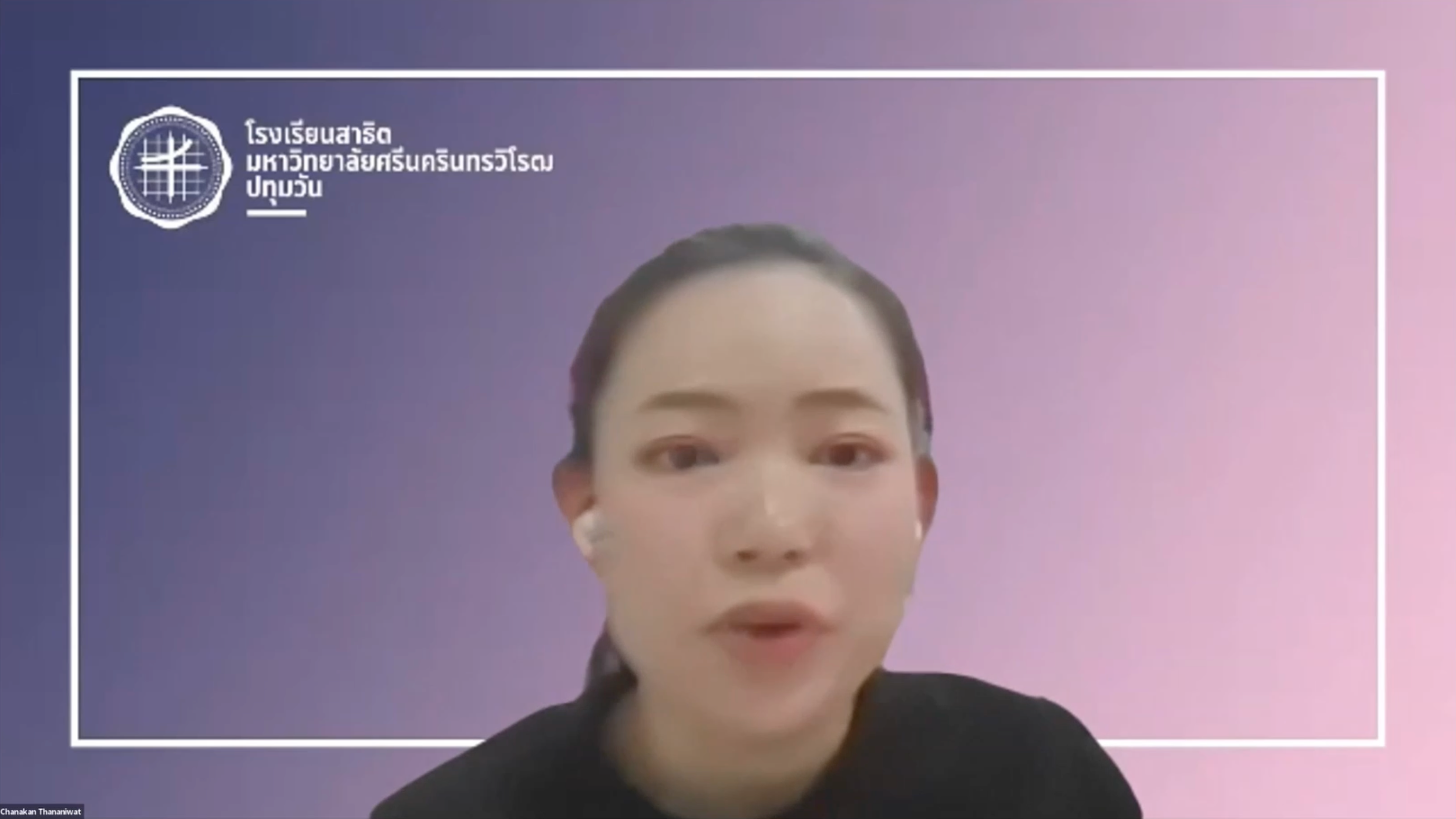
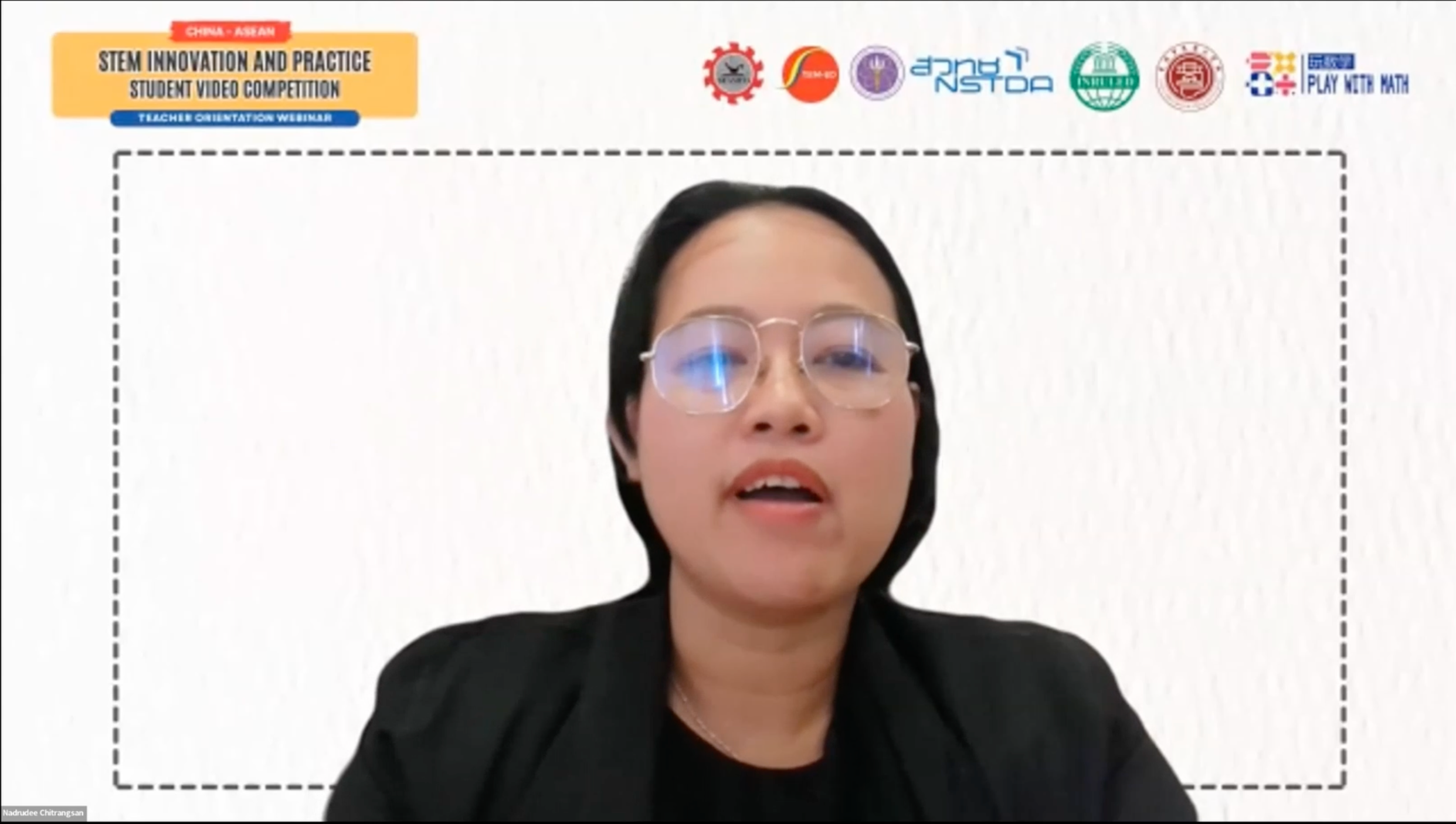
In the case sharing session, Dr. Nadrulee Chitrangsan, Founder and Director of Sujipree School in Thailand, introduced a low-grade ecological garden project that integrated mathematics and engineering in spatial planning and planting practices. Ms. Chanakan Thanawiwat, a STEM teacher at Pathumone Demonstration School in Thailand, presented a water quality investigation project and demonstrated how to use the CER framework to conduct scientific argumentation, helping students progress from observation to empirical reasoning. Mr. Zhou Zhixiong, Head of the Mathematics Teaching Research Office at Bashu Primary School, presented cases of integrated STEM, such as a lucky wheel and sphere surface area exploration, transforming abstract mathematical knowledge into engaging, life-close application scenarios.
The keynote speeches and case sharing session were moderated by Mr. Cherdchai Sansusi, Programme Specialist at SEAMEO STEM-ED.
This exchange event established a highly efficient platform for mutual learning in regional STEM education practices, laying a solid foundation for the subsequent video collection, teacher capacity building, and deeper collaboration. Moving forward, UNESCO INRULED will continue to promote international exchanges and cooperation in STEM education between China and Southeast Asia. By empowering teachers and students’ STEM literacy through innovative practices, all parties aim to jointly build a more inclusive, pragmatic, and sustainable ecosystem for STEM education cooperation.