












From 23 to 27 March 2026, the Women Entrepreneurship Empowerment Workshop (WEE) was successfully held in Beijing. The workshop was jointly organised by the Deutsche Gesellschaft für Internationale Zusammenarbeit (GIZ) GmbH and the UNESCO International Research and Training Centre for Rural Education (INRULED), with the participation of women entrepreneurs, institutional representatives from Vietnam, Mongolia and Cambodia, UN Women Beijing, and trainees from the Mengdingshan Academy for Cooperative Development in Sichuan Province.
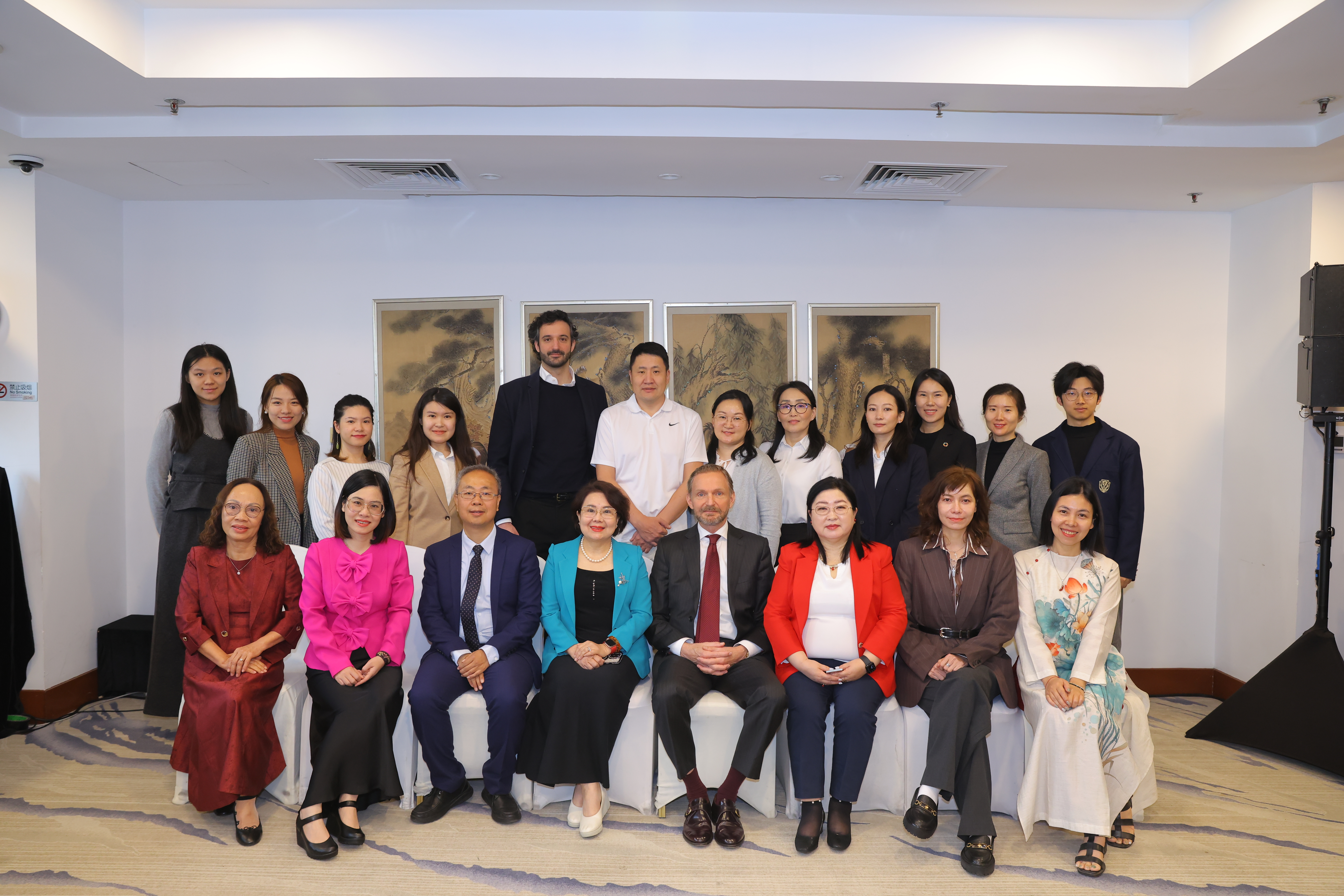
At the opening ceremony, remarks were delivered by Mr. Martin Hansen, GIZ East Asia Regional Director; Ms. Nguyen Thi Tuyet Minh, Chairwoman of WeLead Vietnam; and Dr. Zhao Yuchi, Executive Director of UNESCO INRULED. Speakers highlighted that women entrepreneurs continue to face systemic barriers in accessing finance, markets and skills development, as well as a disproportionate burden of unpaid care work. The workshop aims to leverage the trilateral cooperation framework between China, Germany and partner countries to provide participants with practical tools and global networks, and to explore scalable and replicable pathways for women's economic empowerment.
On 24 March, UN Women Beijing, GIZ, UNESCO INRULED and the Mengdingshan Academy jointly organised the "She Connects: Workshop on Mutual Learning for Sustainable and Climate-Resilient Agriculture", bringing together women agri-entrepreneurs from multiple countries to exchange experiences on climate-adaptive agriculture and rural sustainable development.
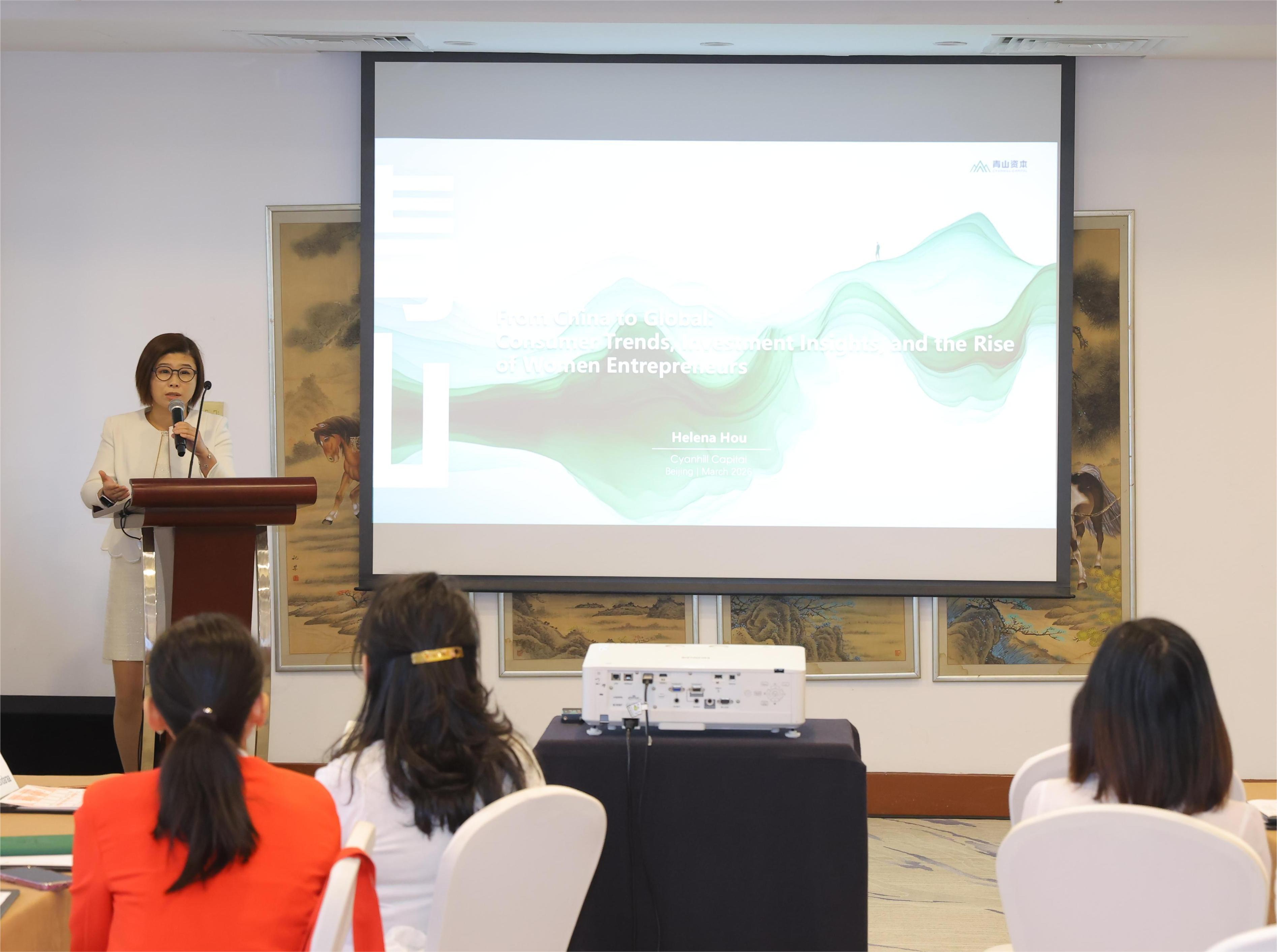
On 25 March, Ms. Helena Hou, Head of Capital Raising at Cyanhill Capital, led a session on investment logic in the food and consumer sector and women's leadership, offering an early-stage investor's perspective on the distinctive strengths of women founders and the practical challenges they face in accessing funding.
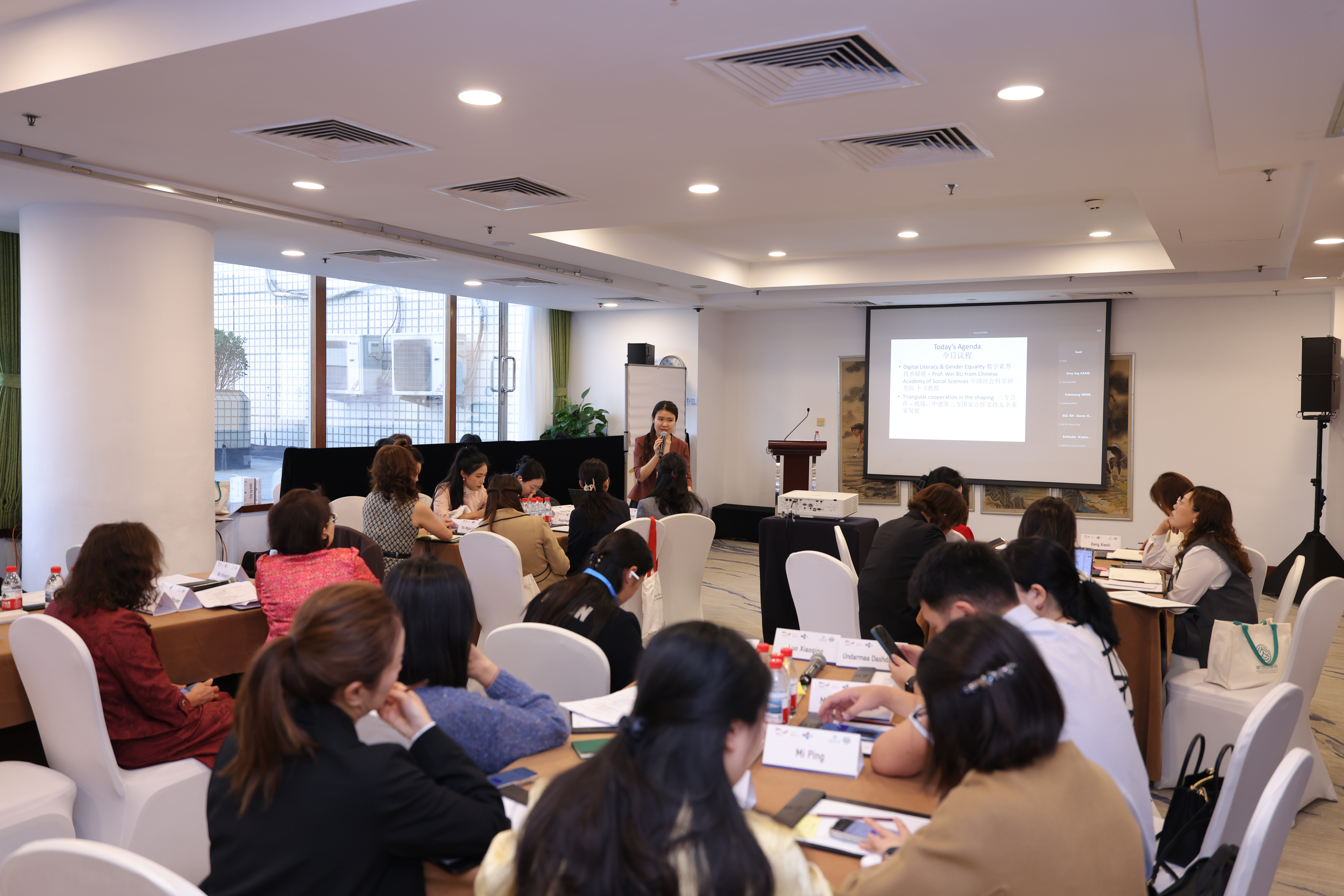
On 26 March, Prof. Wei Bu from the Chinese Academy of Social Sciences delivered a session on digital literacy and gender equality, drawing on case studies from China to explore how digital technologies are opening new pathways for women entrepreneurs to expand their markets and build professional networks.
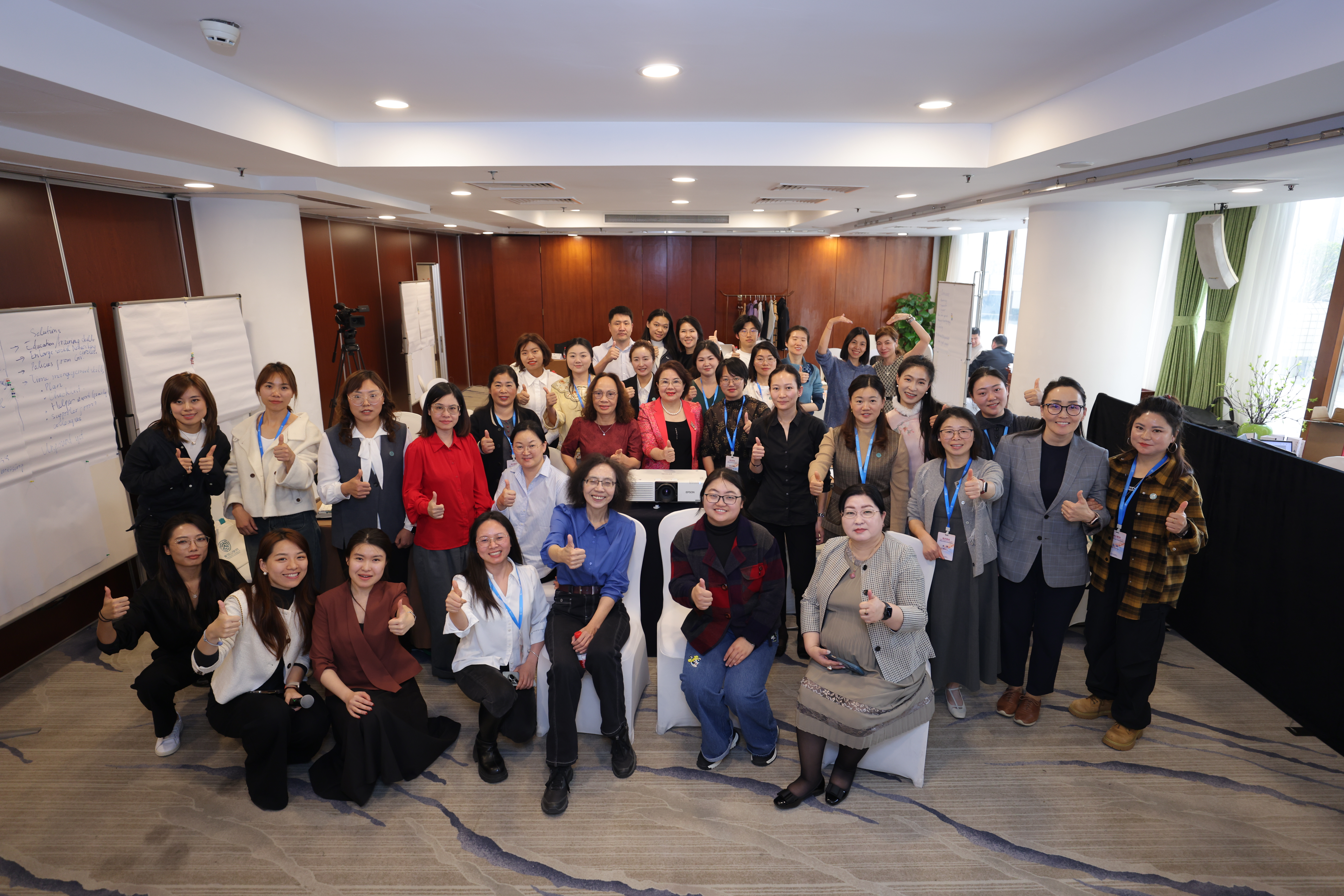
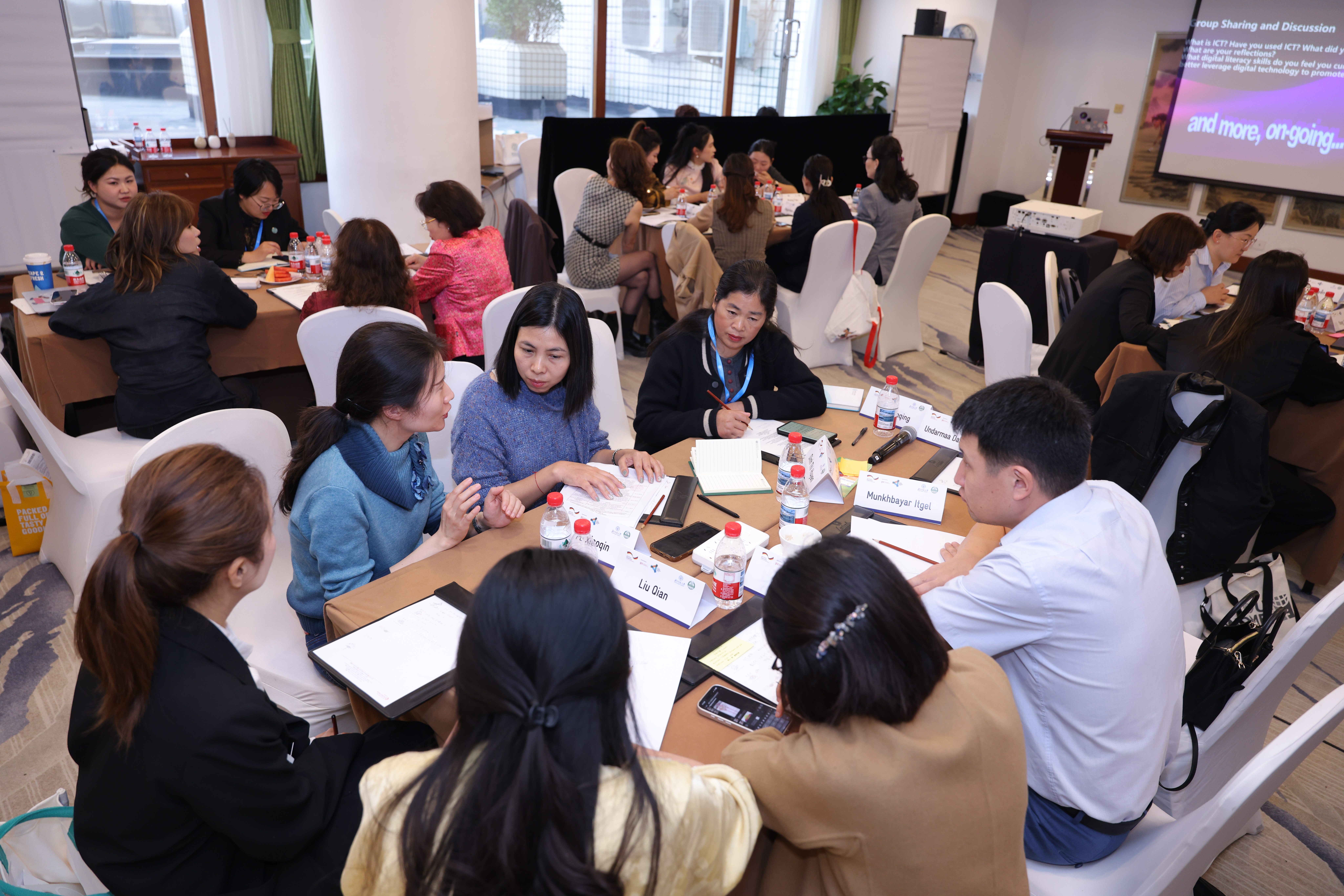
Over the five days, participants engaged in a series of sessions centred on the real challenges facing women entrepreneurs and potential pathways forward, including country case sharing, thematic discussions and roundtable dialogues. Representatives from Vietnam, Mongolia and Cambodia shared their countries' respective policy approaches and practical experience in supporting women's entrepreneurship. Participants further explored topics including barriers to finance, market access, digital literacy and gender equality, while women entrepreneurs from the three countries joined roundtable discussions to share their entrepreneurial journeys and strategies for overcoming challenges.
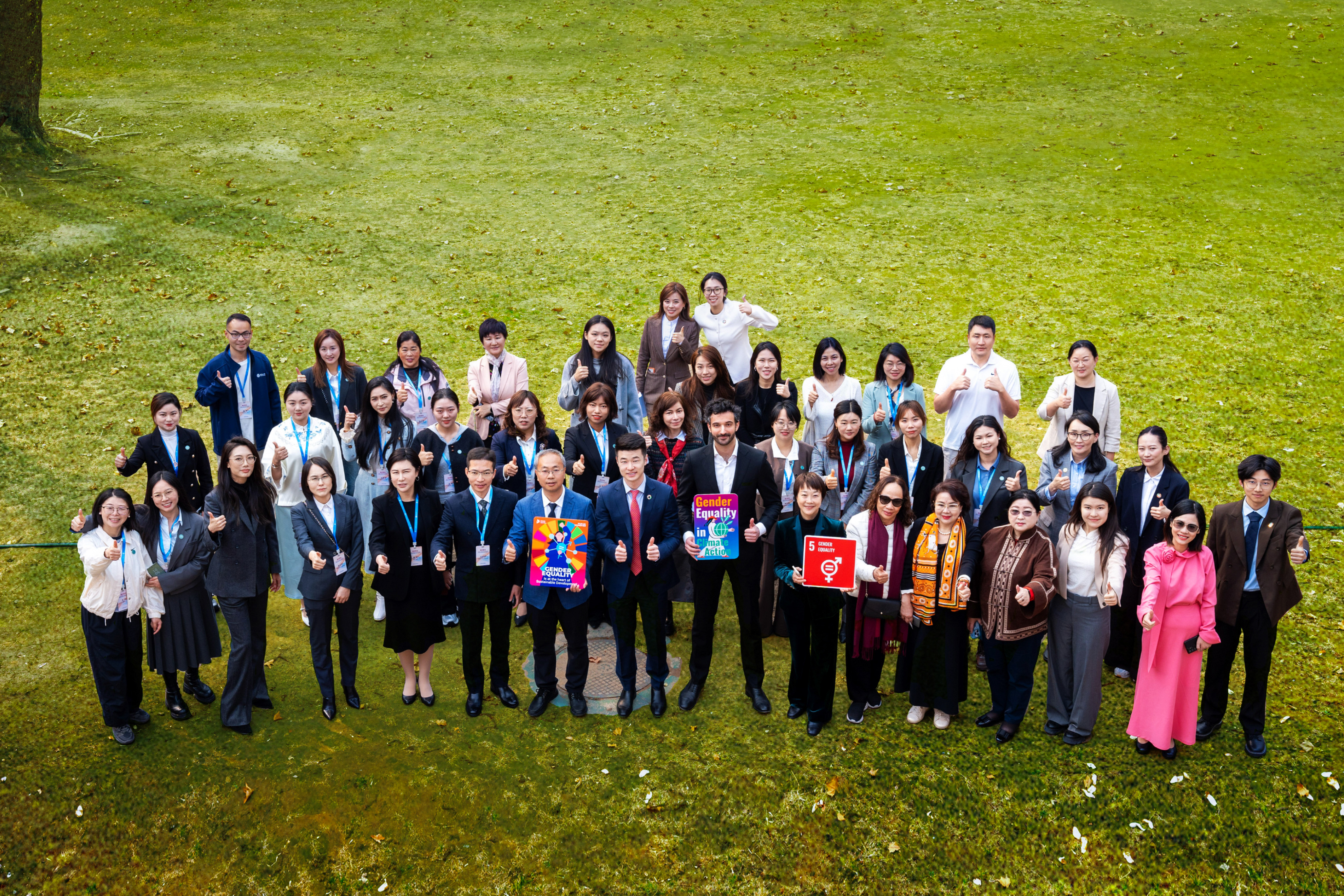
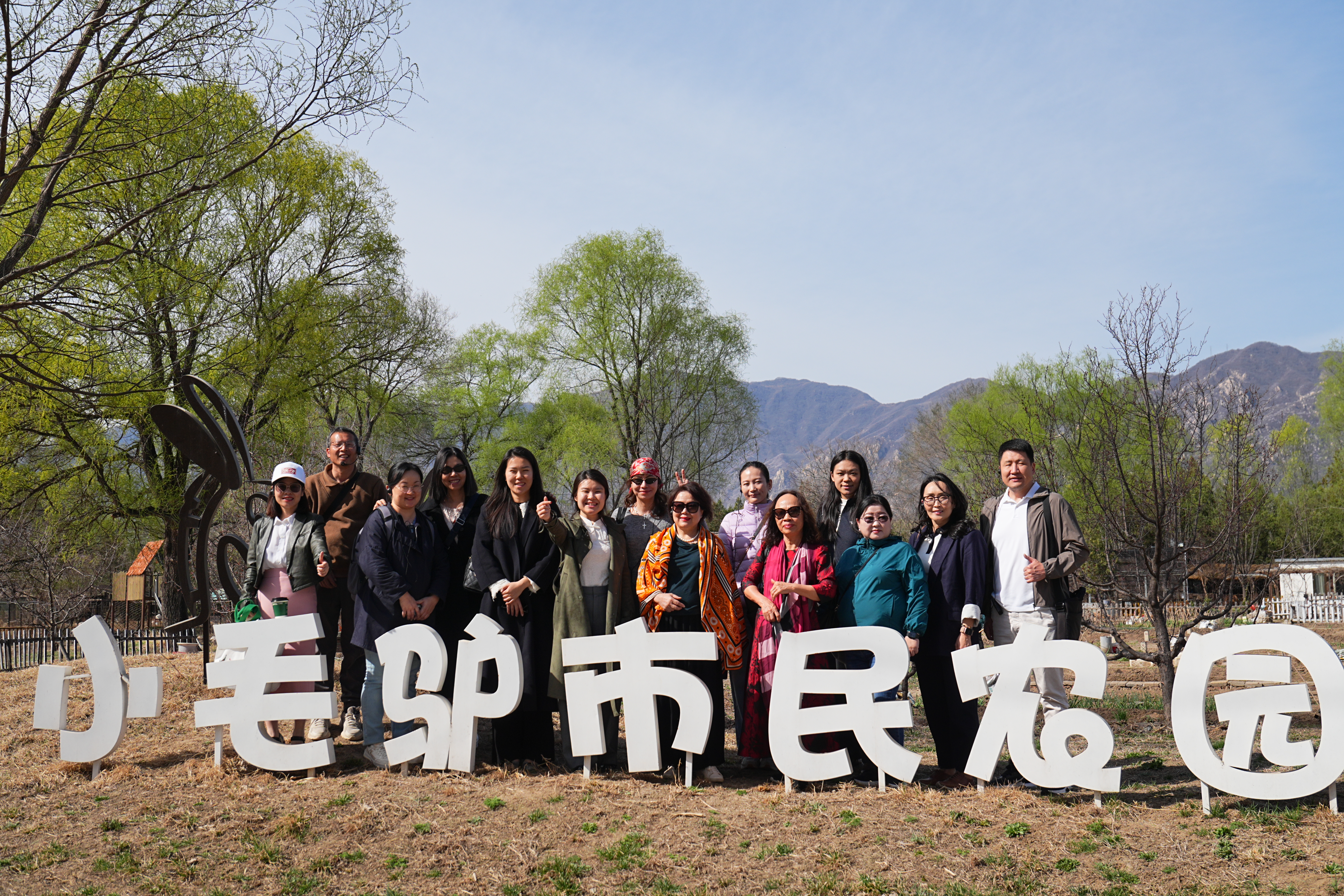
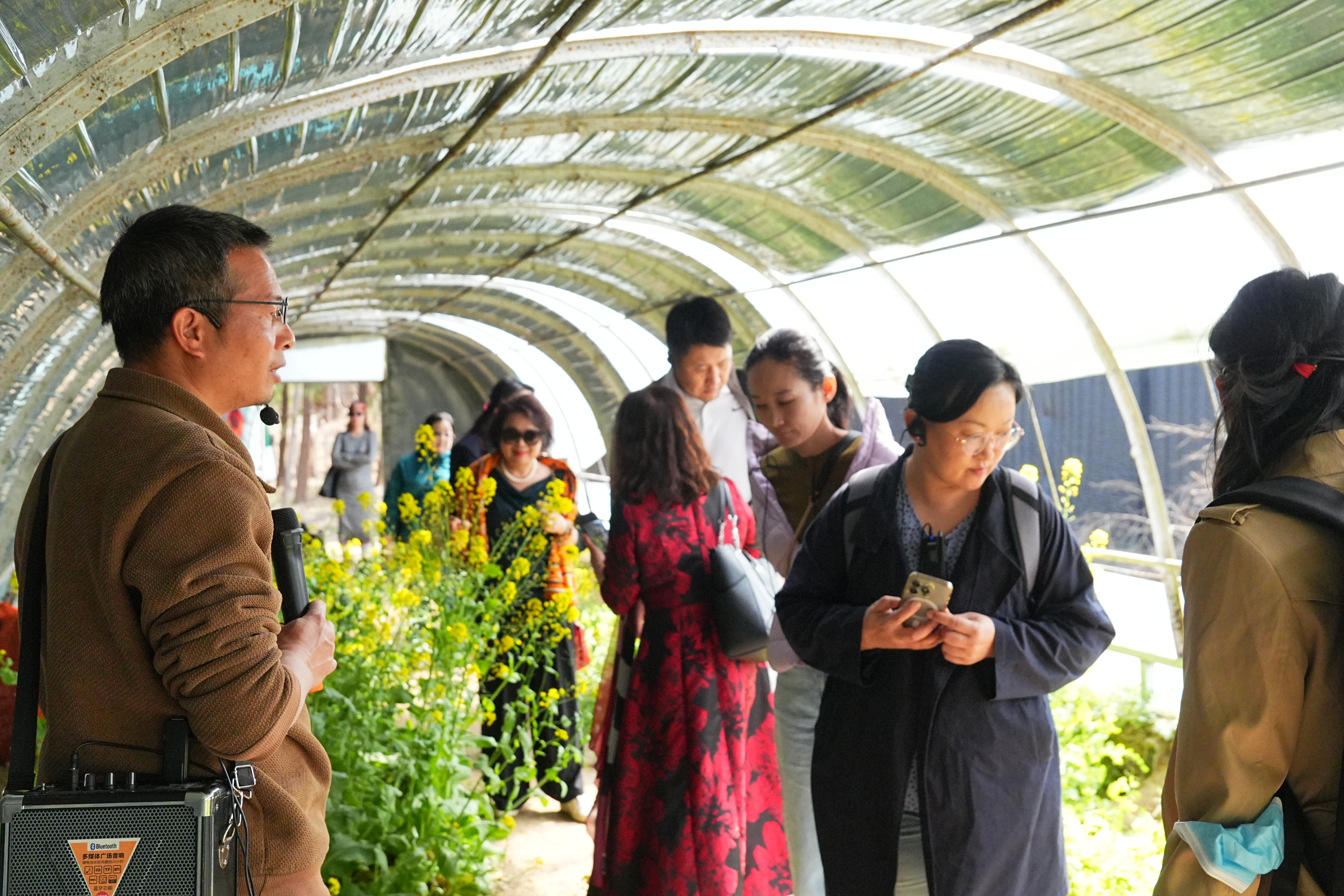
On 27 March, participants visited Little Donkey Farm in Beijing for a field visit, gaining firsthand insight into an integrated urban-rural agricultural community model. Following the visit, each country delegation drew on the learnings of the five days to develop a 30-day action plan, outlining concrete steps to be taken upon return in areas including market development, cross-border cooperation and team building. Participants expressed their hope to use this programme as a springboard for deepening international collaboration and translating their learnings into tangible actions to advance women's entrepreneurship in their home countries.
This workshop represents a concrete roll-out of GIZ and UNESCO INRULED's joint efforts to advance women's economic empowerment under the framework of triangular cooperation. It is expected to strengthen exchanges and collaboration among China, Germany and partner countries in Southeast Asia, and to contribute to more inclusive regional development and a more enabling ecosystem for women entrepreneurs.