












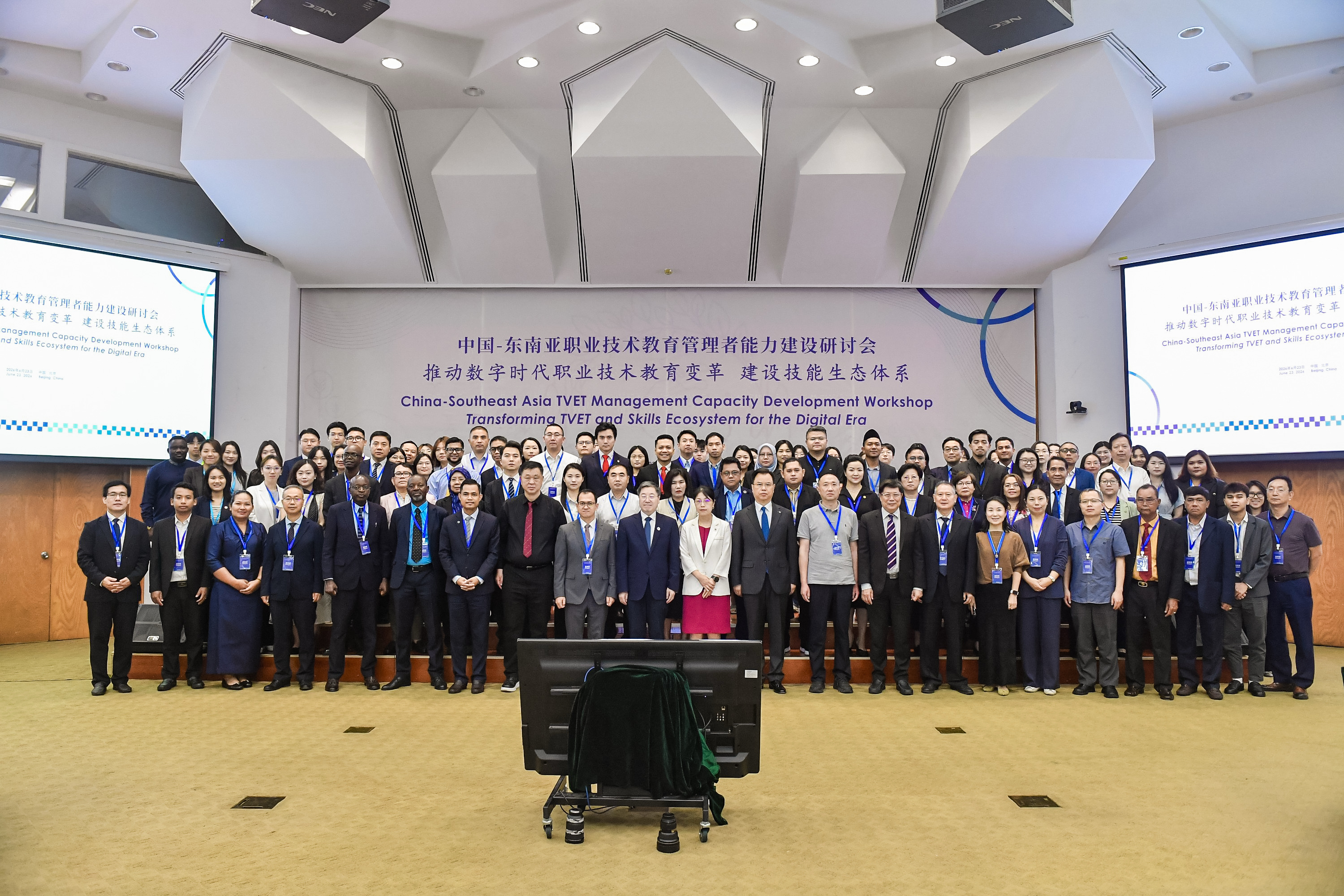
On June 23-24, the China-Southeast Asia Capacity Development Workshop themed on “Transforming TVET and Skills Ecosystem for the Digital Era” was successfully held in Beijing. The workshop is organised by the UNESCO International Research and Training Centre for Rural Education (INRULED), ASEAN-China Centre (ACC), and the SEAMEO Regional Centre for Technical Education Development (SEAMEO-TED), co-organised by the UNESCO Regional Office for East Asia (UNESCO Beijing), China Pocy Group, and China-ASEAN Specialised Committee for Education Cooperation and Development of the China-Association for Non-Government Education, and receives support from Chengdu Global Skills Academy and China Craft Valley·Beijing Caofeidian International Vocational Education Town.
Delegates from six Southeast Asian countries—Cambodia, Indonesia, Malaysia, the Philippines, Thailand, and Vietnam—comprising 29 vocational education administrators and domain experts, along with nearly 100 domestic representatives from Chinese vocational colleges, industry enterprises, and research institutions, as well as participants from countries including Zambia, gathered to conducted in-depth dialogues on key themes covering TVET innovation, managerial capacity building, digital transformation and industry-education integration strategies for vocational and technical education, to strengthening TVET systems and enhancing their responsiveness to digital transformation in the region.
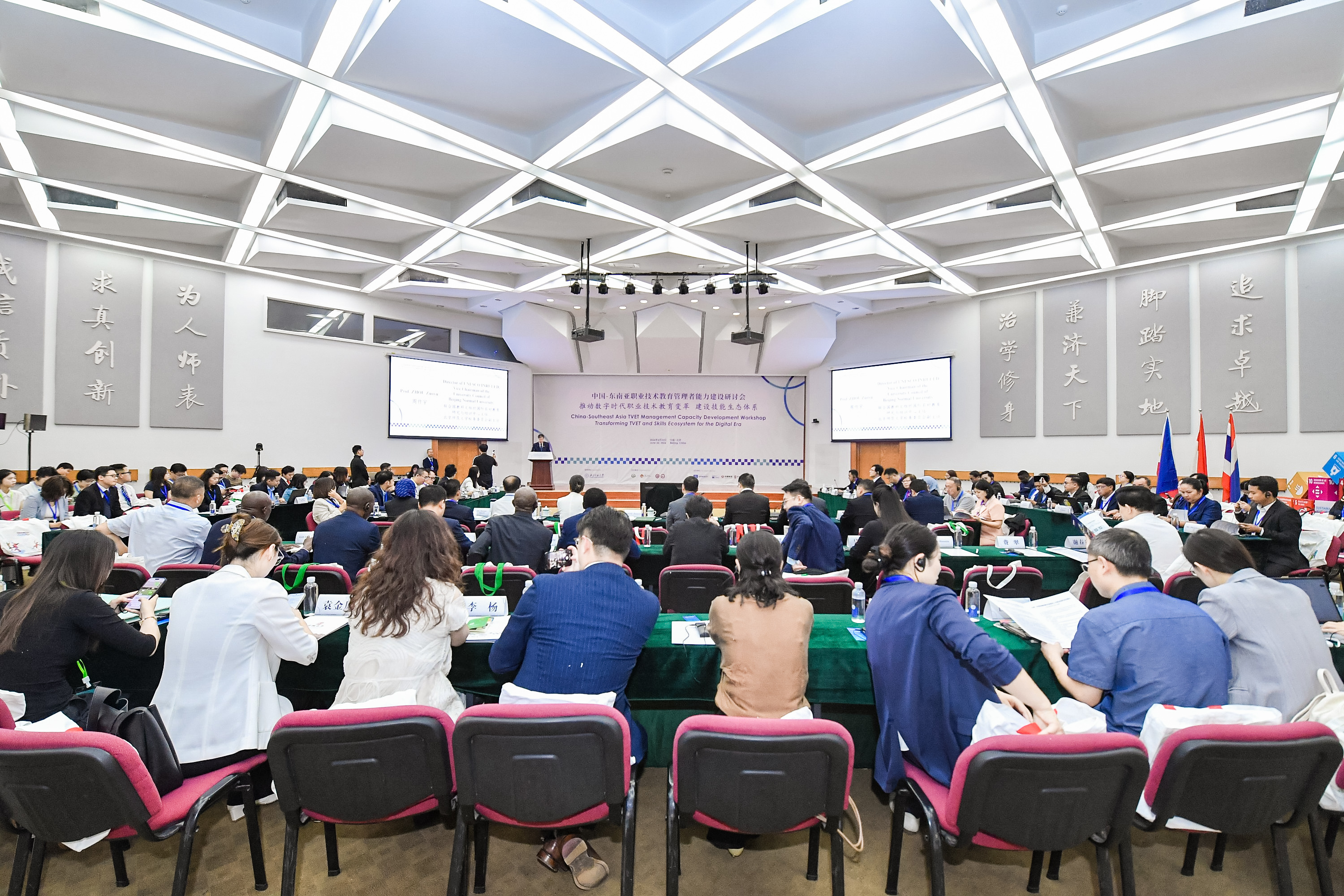
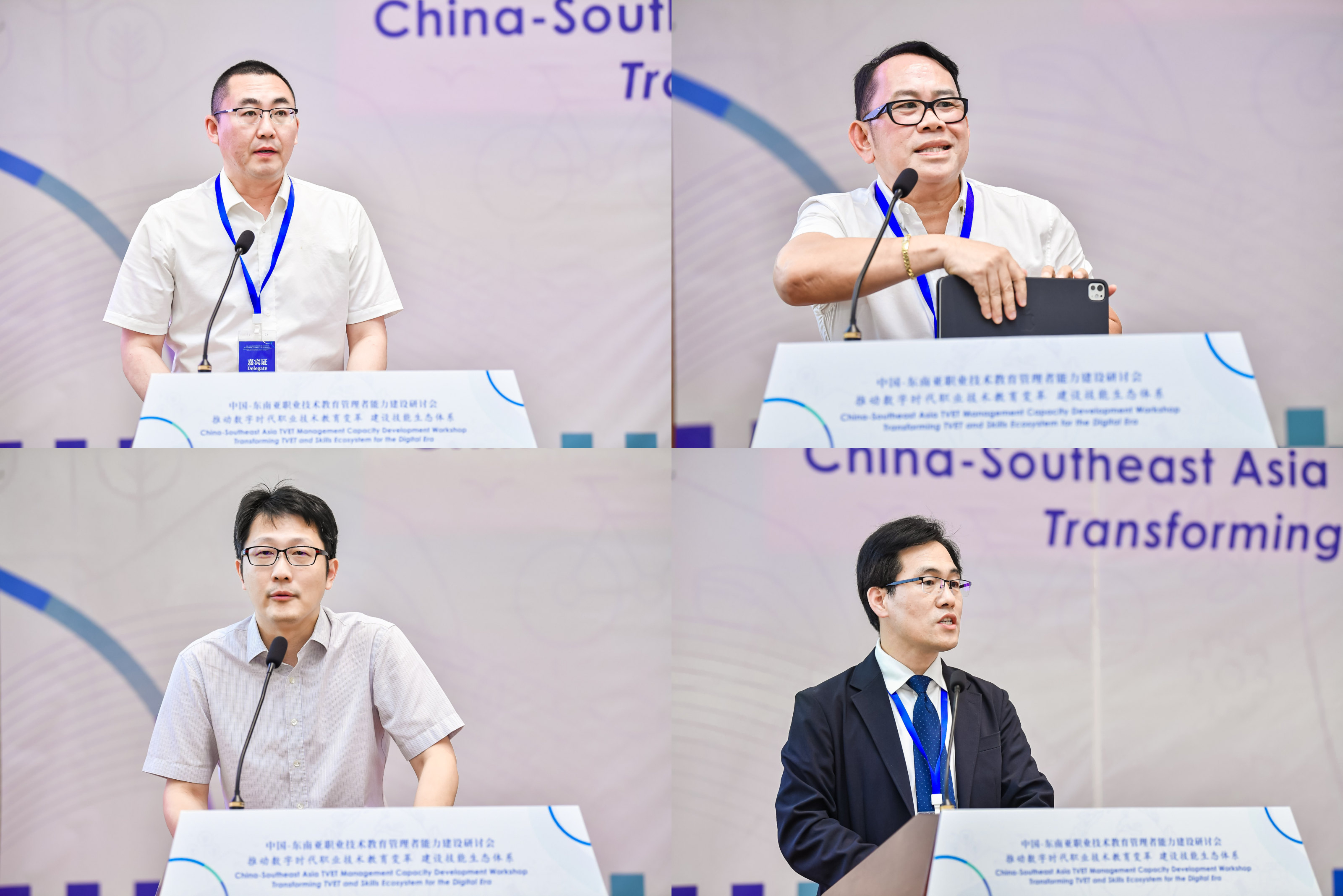
The workshop officially kicked off on June 24. Prof. Zhou Zuoyu, Director of UNESCO INRULED and Vice Chair of the University Council of Beijing Normal University, Ms. Liu Xiao, Deputy Director of the Education, Culture and Tourism Division of the ACC, Dr. Songheang Ai, Centre Director of SEAMEO-TED, and Prof. Shahbaz Khan, Director of the UNESCO Regional Office for East Asia, delivered opening remarks.
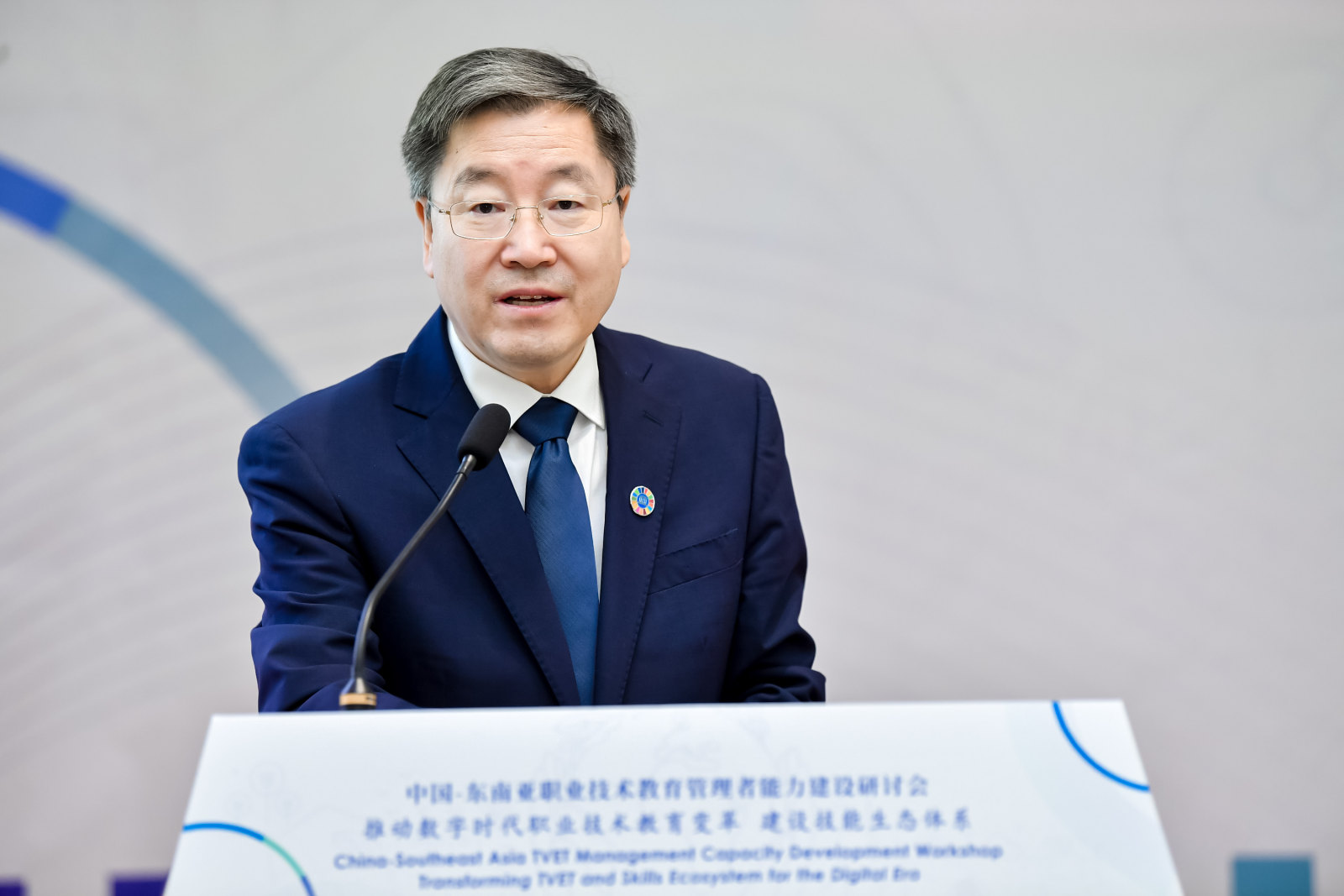
Prof. Zhou Zuoyu noted that the digital era calls for an open, collaborative and shared regional skills ecosystem for TVET, aiming to cultivate learners’ adaptability, lifelong learning and innovation capabilities. He added that the workshop will explore digital-era TVET development paths, promote industry-education integration and cross-border resource sharing, tailor talent training to digital and green economy demands, and advance inclusive and sustainable regional development to promote the 2030 Sustainable Development Goals.
Ms. Liu Xiao emphasised that TVET serves as a key pillar for regional people-to-people connectivity, industrial growth and inclusive development. The ACC will leverage its bridging role, follow digital education trends, and connect governments, vocational institutions and enterprises. This will deepen pragmatic ASEAN-China TVET cooperation so as to boost the high-quality development of the ASEAN-China Comprehensive Strategic Partnership.
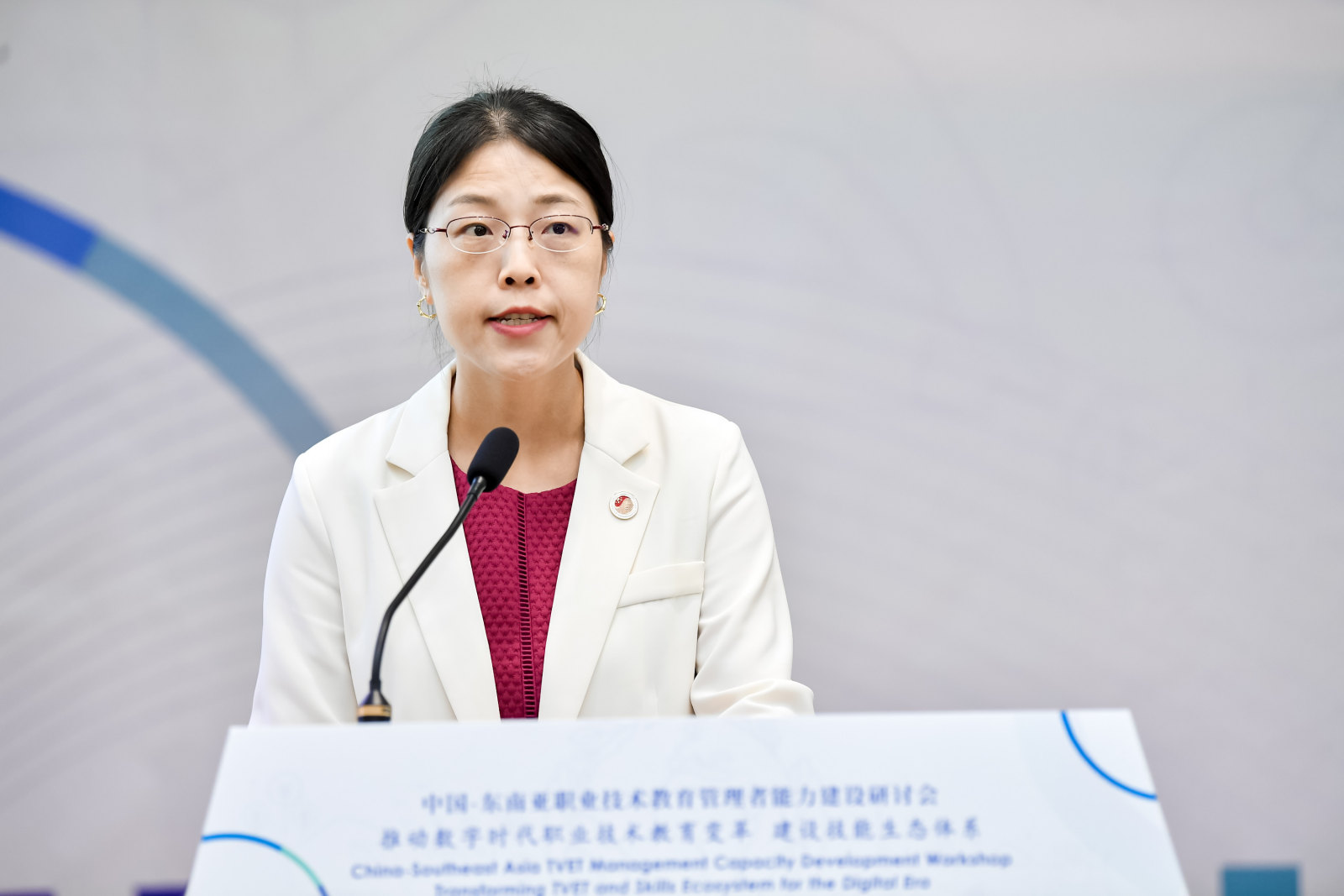
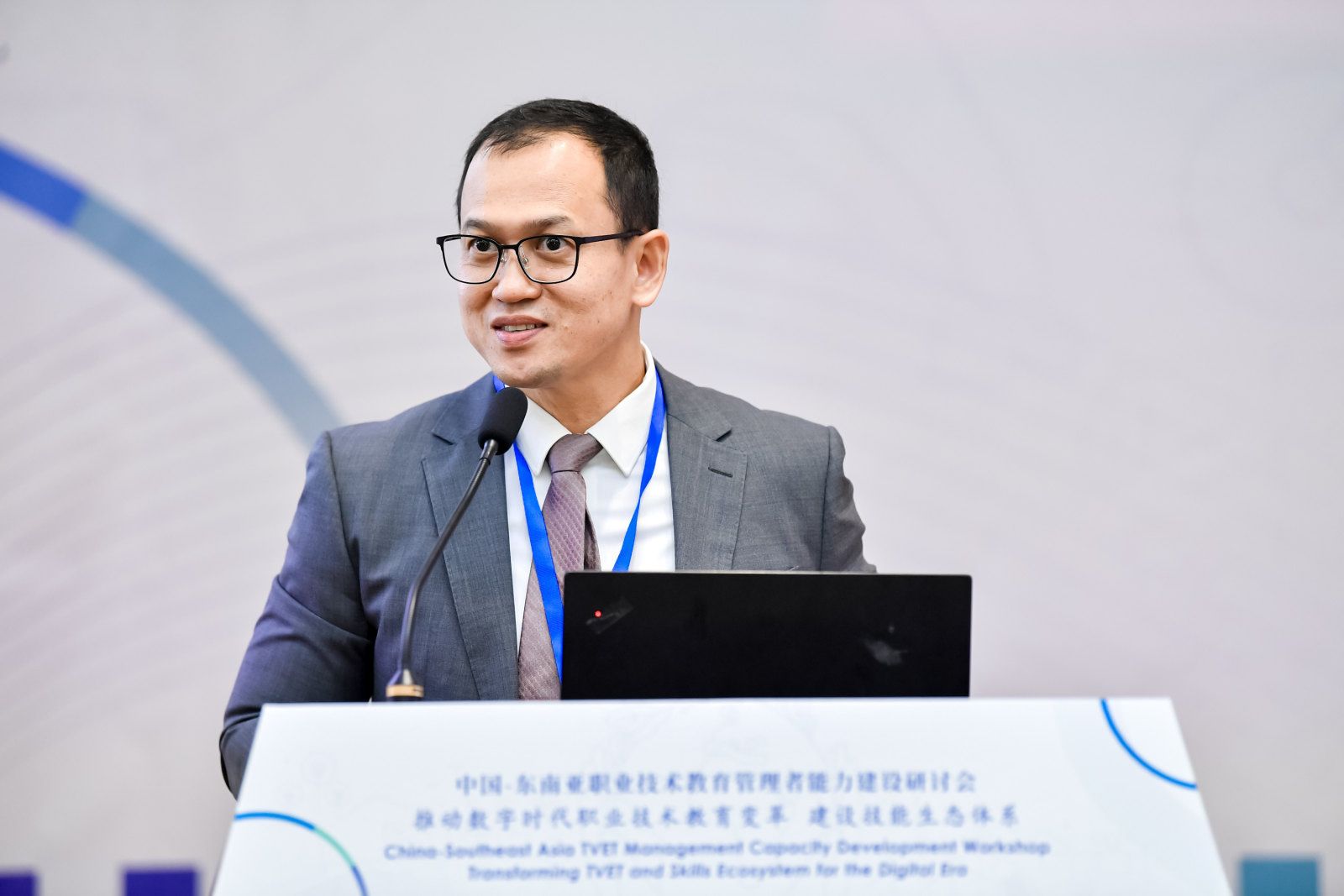
Dr. Songheang Ai stated that evolving technology has reshaped global industries and job roles, requiring continuous workforce skill upgrading. SEAMEO-TED will deepen regional cooperation, optimise school-enterprise collaboration and align TVET training with industrial needs. Regional challenges, including structural skills mismatches and a lack of professional talent, are expected to be addressed through the application of digital technologies and AI.
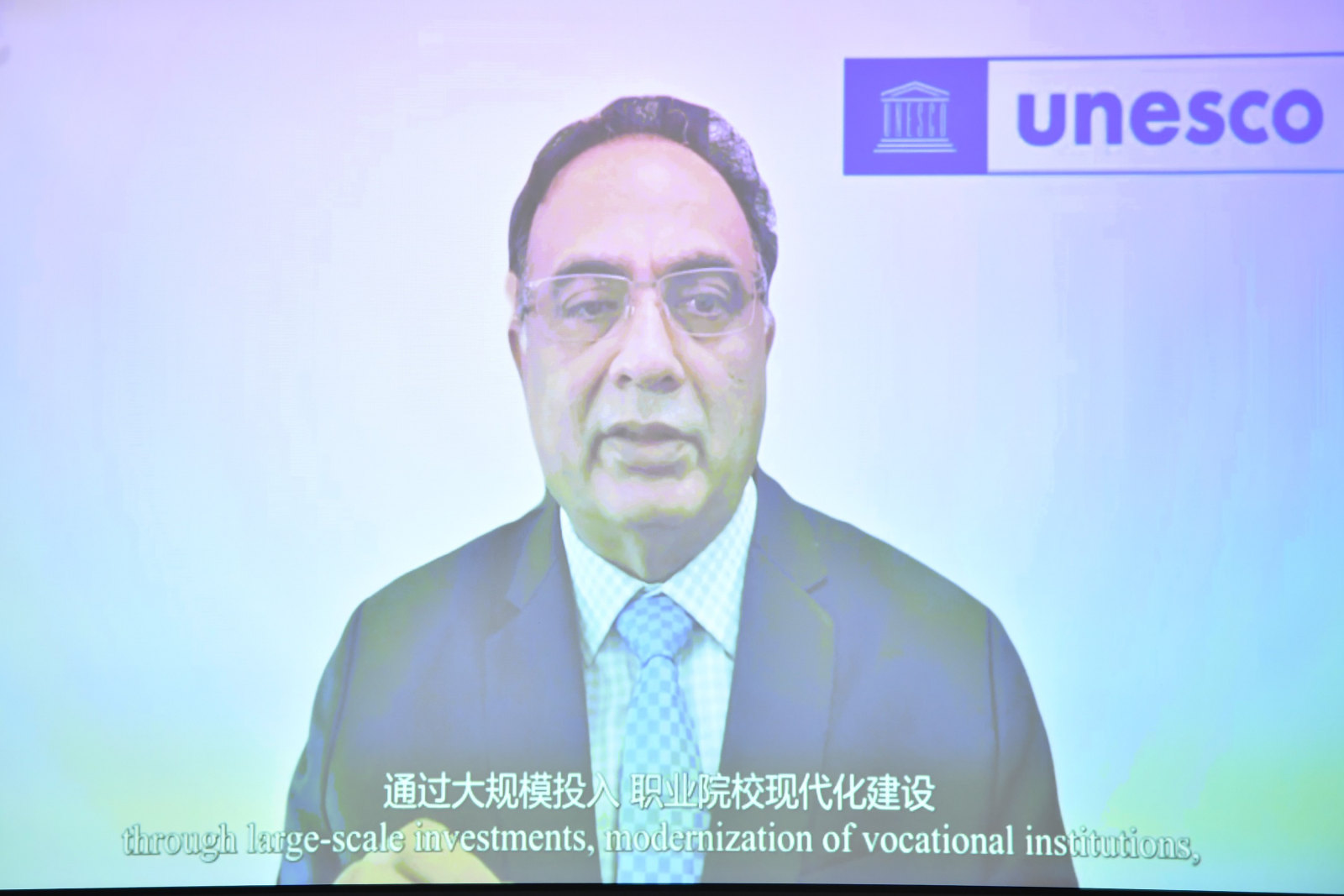
Prof. Shahbaz Khan stressed in his video remarks that UNESCO regards TVET as a core driver for regional economic recovery and industrial upgrading against the backdrop of global skill system reforms. He stressed that future-ready TVET should meet evolving skill demands and balance technological progress with holistic human development. He hoped all participants could strengthen cooperation to build a resilient, inclusive, innovative and future-oriented regional TVET system.
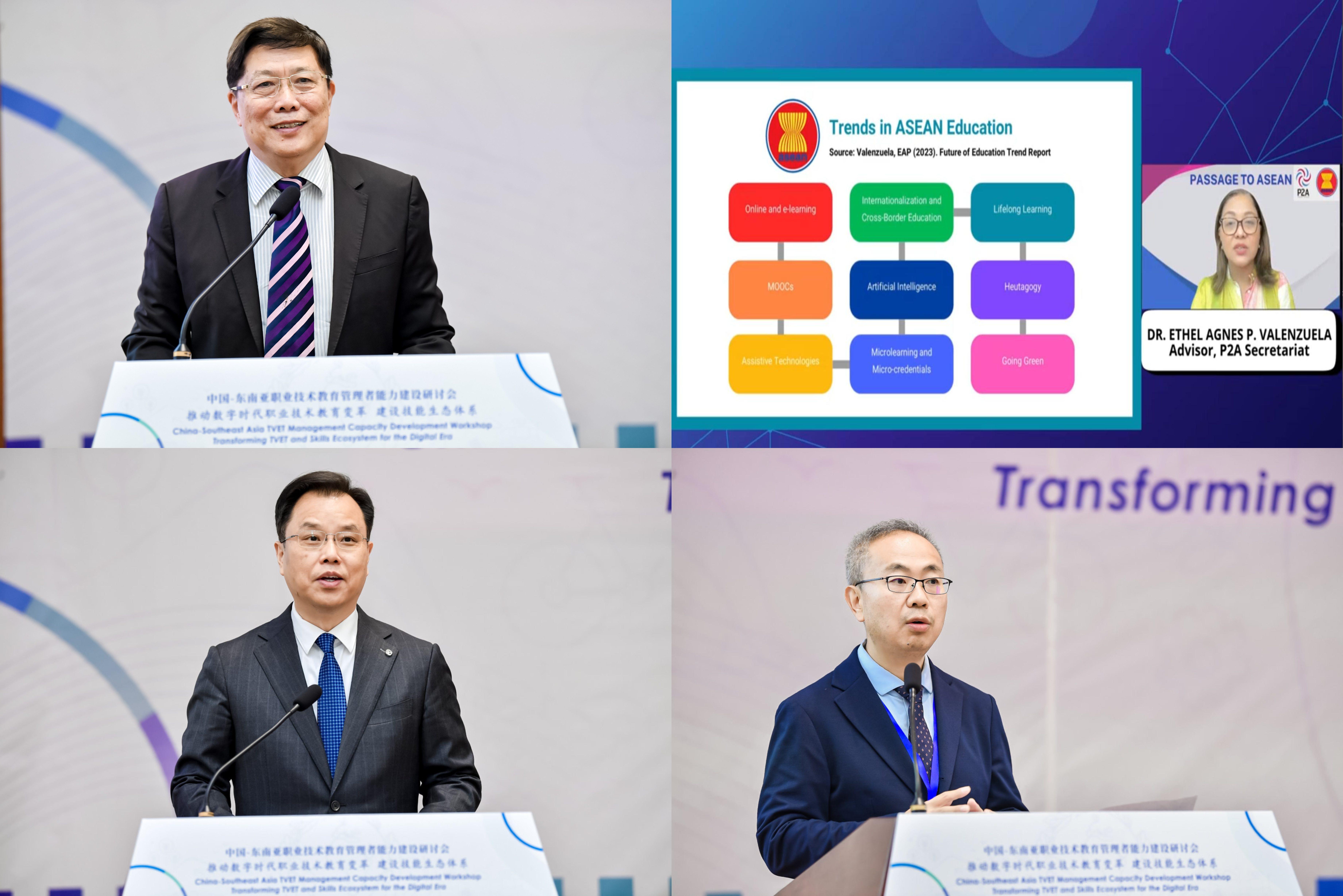
During the keynote session, Dr. Tang Min, former Counsellor of the State Council and Chairman of the China-ASEAN Specialized Committee for Education Cooperation and Development of the China-Association for Non-Government Education, shared insights on the collaborative layout of China-ASEAN TVET, cross-border digital talent cultivation, and long-term mechanisms for regional cooperation. Dr. Ethel Agnes Valenzuela, former Secretary-General of the Southeast Asian Ministers of Education Organisation (SEAMEO) and Chair of the Advisory Board of the ASEAN AI Council under the Pathways to ASEAN Association (P2A), pointed out that artificial intelligence, micro-credentials, and lifelong learning are emerging as core trends in regional vocational education reform. She emphasised that countries should coordinate efforts to advance digital infrastructure development, upgrade industry-oriented curricula, strengthen professional teacher training, and build inclusive and accessible campuses, working together to construct a skills ecosystem that aligns with the region's development needs. Mr. Yao Yichun, Chairman of the Integration of Industry and Education Committee of World Federation of UNESCO Clubs, Centres and Associations and Chairman and President of China POCY Group, pointed out that TVET reform in the digital era requires rebuilding the deep connection between vocational education and industrial development, and constructing an international industry-education integration ecosystem of shared resources, co-developed standards, and jointly researched projects. The opening remarks and keynote presentation sessions were moderated by Dr. Zhao Yuchi, Executive Director of UNESCO INRULED.
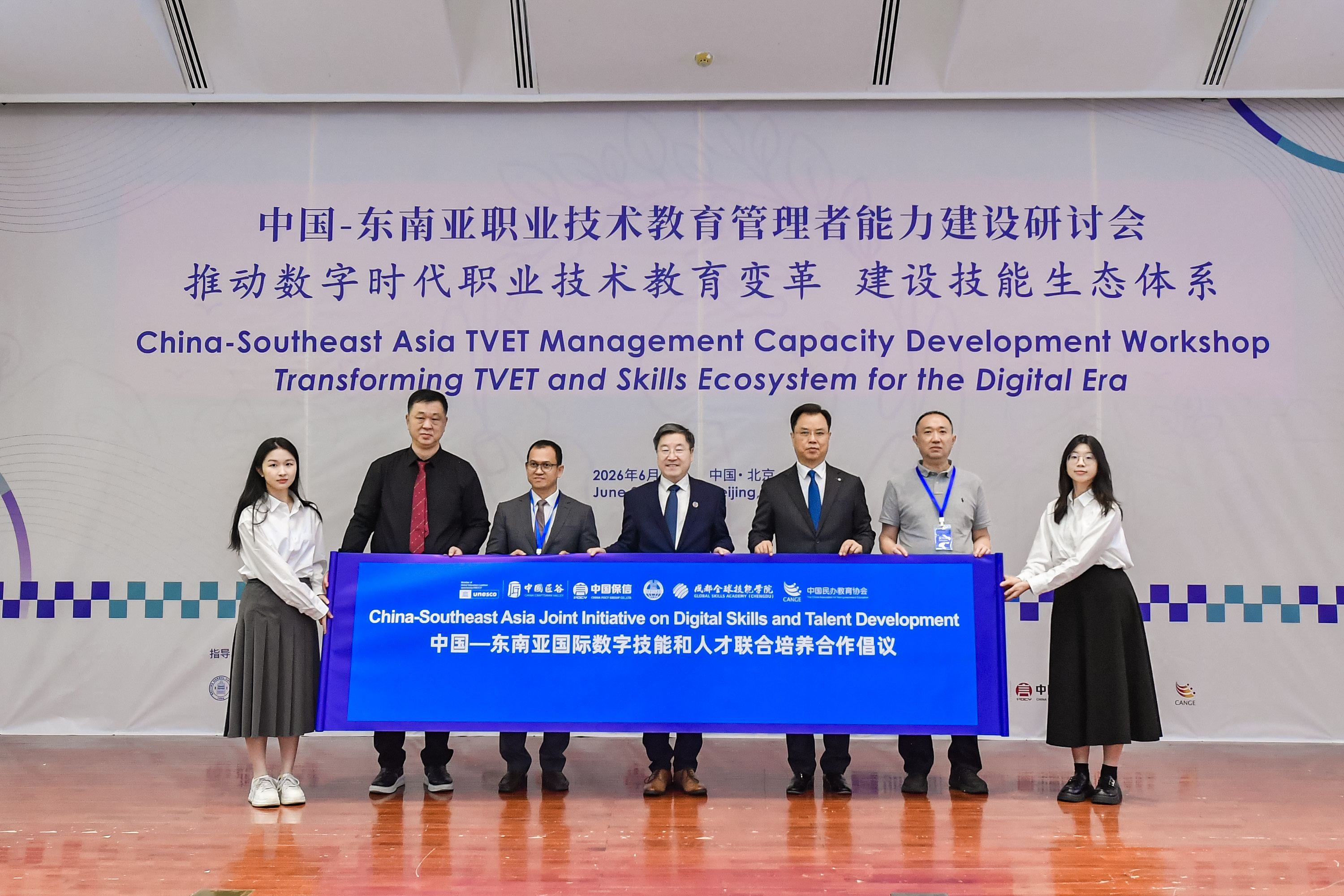
At the event, the China-Southeast Asia Joint Cooperation Initiative on Digital Skills and Talent Development was officially launched by UNESCO INRULED, SEAMEO-TED, China Pocy Group, Chengdu Global Skills Academy, and the China-ASEAN Specialised Committee for Education Cooperation and Development of the China-Association for Non-Government Education. The initiative proposes cooperation pathways, including building joint cultivation platforms, prioritising faculty capacity building, youth exchanges, micro-credential system construction, and opening up industry-education practical training platforms. It aims to develop a demonstration model for cultivating regional digital talent.
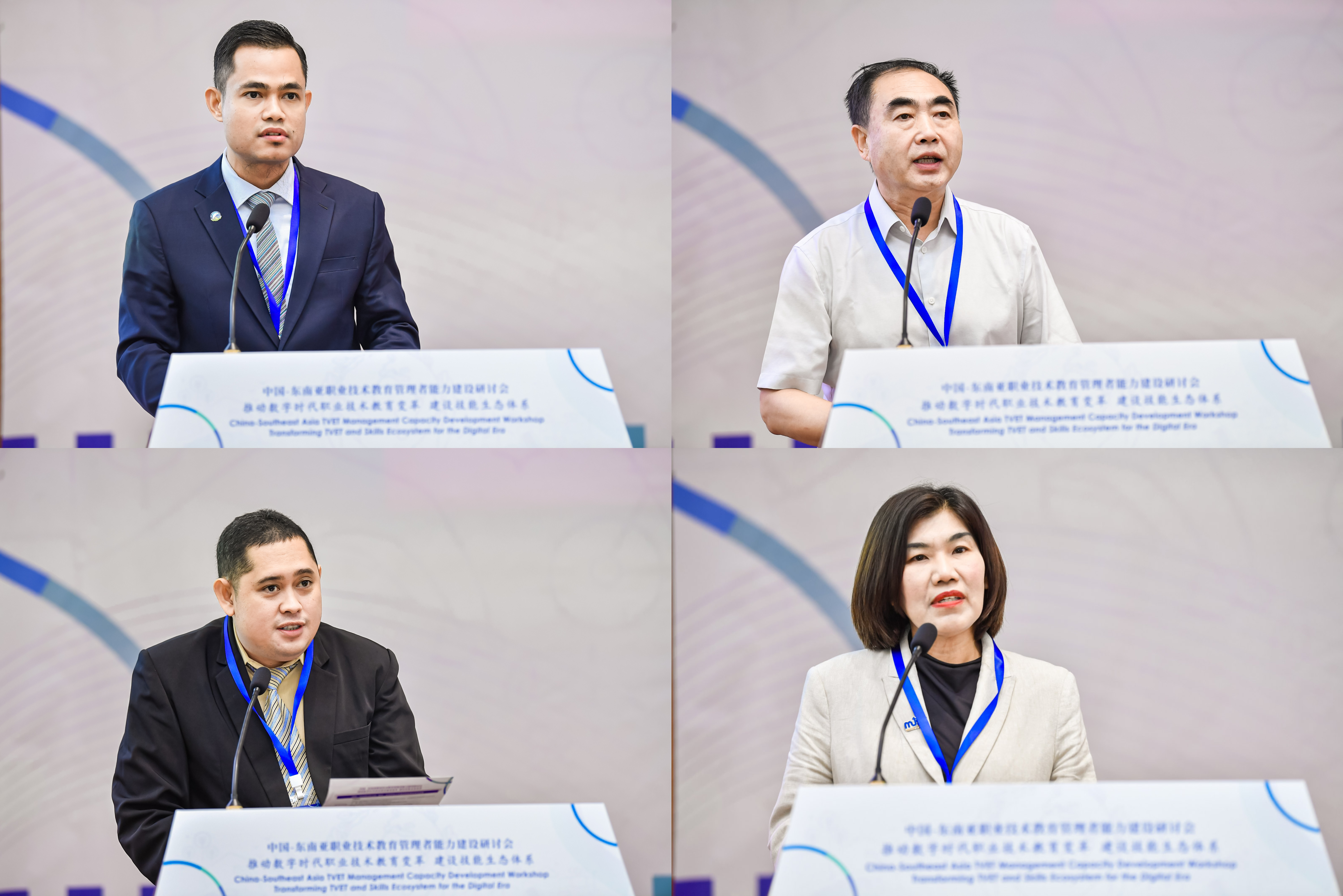
During the morning session on policy initiatives and regional reports, Mr. Chuob Ratana, Director of the Department of Tourism Professional Training at the Ministry of Tourism of Cambodia, introduced free TVET initiatives for one million vulnerable youths and the implementation plan for the ASEAN MRA-TP unified skills certification system. Dr. Zhang Buhe, Director of the Institute of Vocational and Continuing Education at the National Institute of Education Sciences, introduced China's three-tier integrated TVET system, annual dynamic update mechanisms, TVET digital resource platforms, and the foreign cooperation achievements of Luban Workshops. Mr. Adetiya Prananda Putra, Vice Director of Academic Affairs at the State Polytechnic of Banyuwangi in Indonesia, shared practical implementations of digital teaching reforms, such as hybrid online classrooms, based on his country’s TVET reform blueprint. Dr. Rungraweejipakdee, Associate Professor at the College of Interdisciplinary Science and Entrepreneurship at Rajamangala University of Technology Srivijaya in Thailand, elaborated on supporting TVET policies designed to cultivate youth innovation and entrepreneurship through cross-border study tours and transnational joint training. Dr. Noor Rosmawati Binti Yusuf, Deputy Director of the Curriculum Division at the Department of Polytechnic and Community College Education under the Ministry of Higher Education Malaysia, explained Malaysia's flexible multi-pathway schooling system, layered micro-credential operation framework, and the TVET 2030 top-level strategy. Dr. Manuel M. Muhi, President of the Polytechnic University of the Philippines, presented the national unified TVET qualification framework, credit transfer mechanisms, and the construction plan for industry-education integrated training factories. Dr. Dang Thi Dieu Hien, Head of the Department of Pedagogy at Ho Chi Minh City University of Technology and Education in Vietnam, drew on local experience to introduce the implementation policy for standardized digital literacy training covering all TVET teachers. This session was moderated by Rien Chamrong, Deputy Director of Public Relations and Partnerships at SEAMEO-TED.
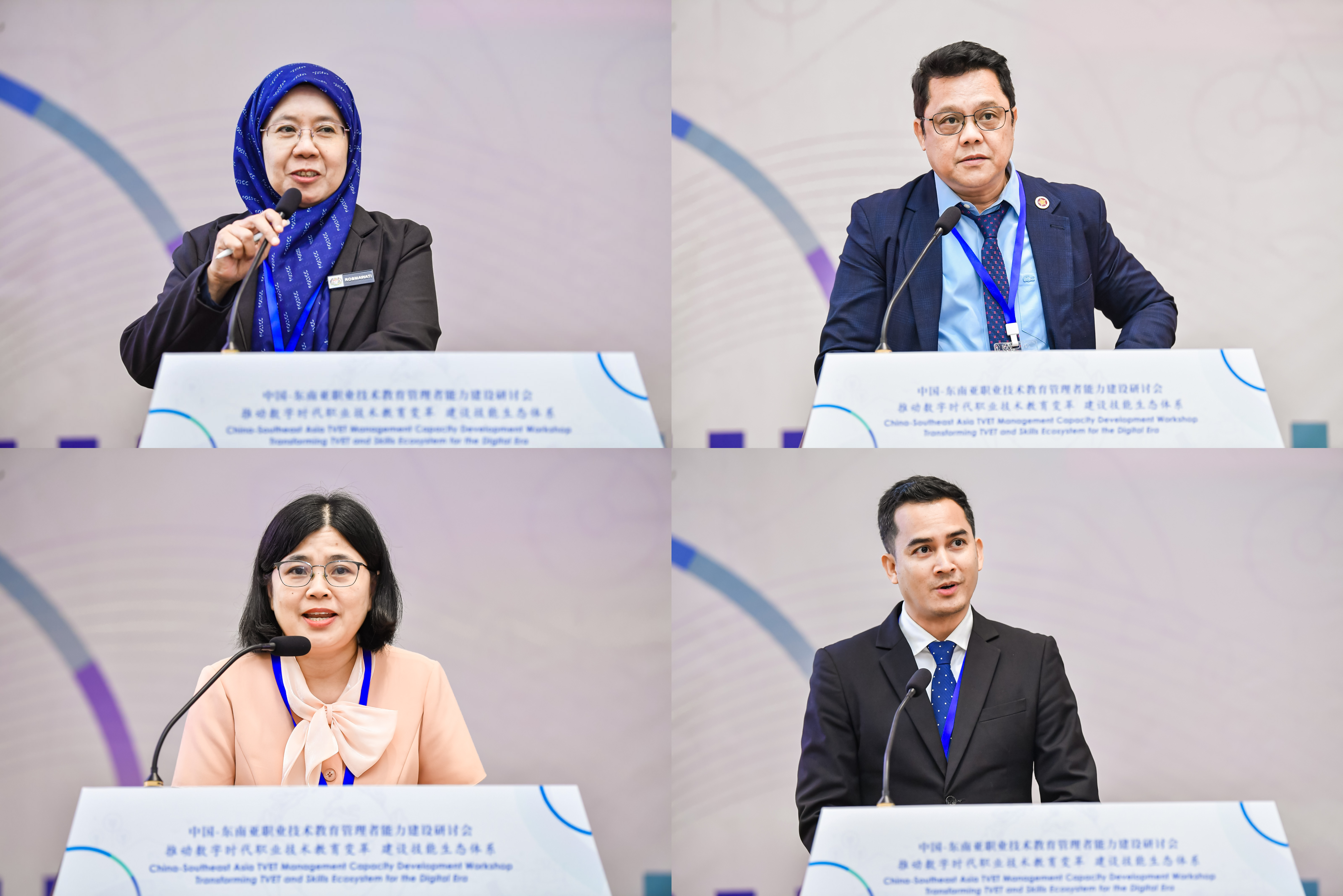
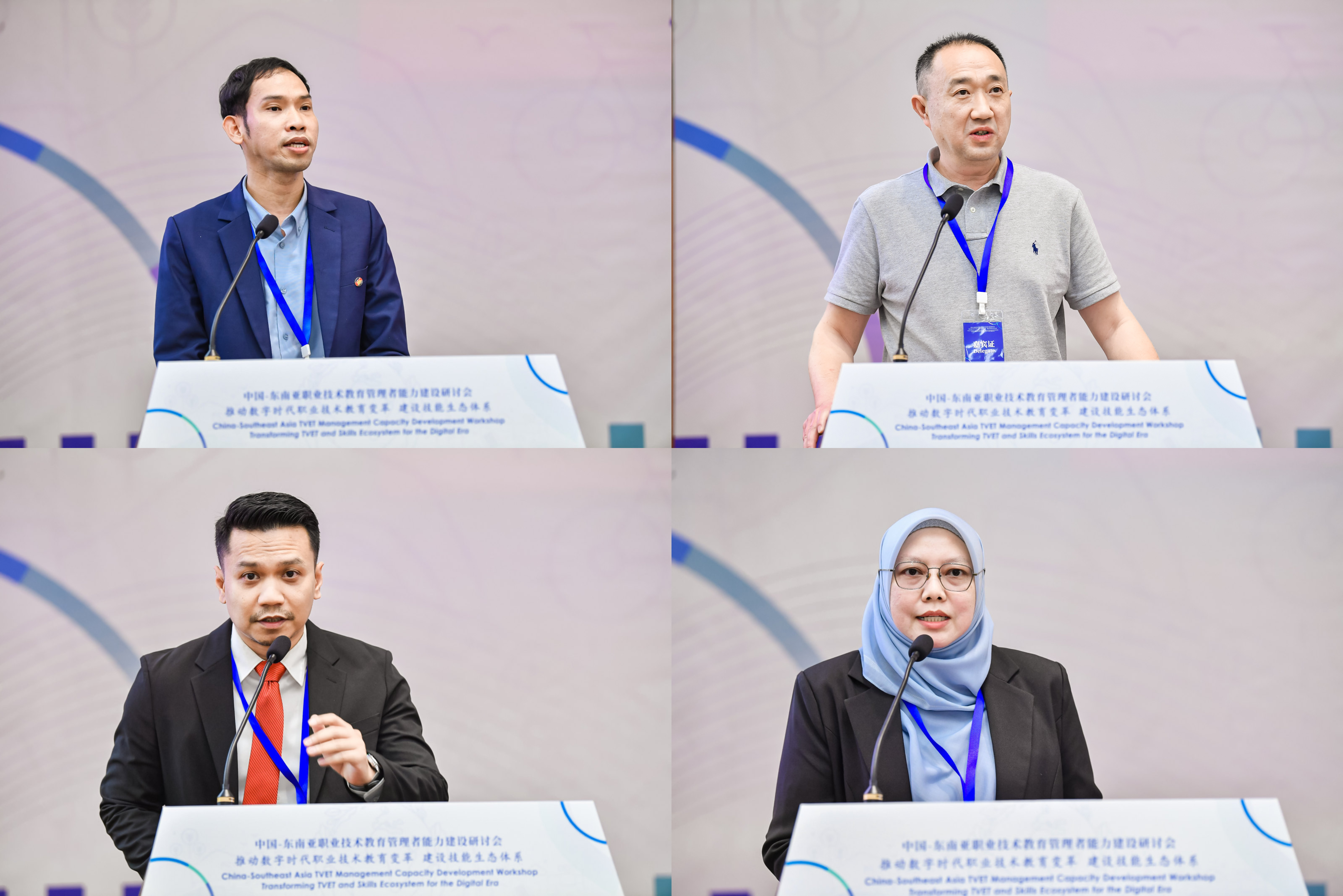
In the afternoon session on local innovation and case studies, Mr. Eng Vanna, Lecturer of Information Technology at the National Technical Training Institute in Cambodia, introduced practical training projects in robotics and green building, as well as preparatory remedial teaching solutions tailored to students from rural backgrounds. Dr. Yan Jiming, President of Chengdu Agricultural College, shared practical experiences regarding the “Tianfu Agricultural Workshop”, focusing on the export of agricultural TVET standards and the construction of overseas industrial colleges in Southeast Asia. Mr. Zainal Arifin Renaldo, Vice Director of Partnerships, Marketing and Student Affairs at Caltex Riau Polytechnic in Indonesia, brought insights from local green community school-running practices. Dr. Li Fei, Dean of the Fisheries College at Tangshan Maritime Vocational College, demonstrated school-enterprise cooperation achievements, including AI water quality testing and aquaculture breeding in saline-alkali land. Dr. Amado A. Oliva, President of Camarines Sur Polytechnic Colleges in the Philippines, shared institutional quality accreditation and research-industry platform construction experiences. Ms. Leila Adja Radjeman, Lecturer at Seberang Perai Polytechnic in Malaysia, detailed the operation of the lifelong micro-credential system. Mr. Wen Bo, Principal of BN Vocational School, introduced a non-profit TVET model aimed at underprivileged youth. This session was moderated by Dr. Qi Xinjuan, Assistant Director of UNESCO INRULED.
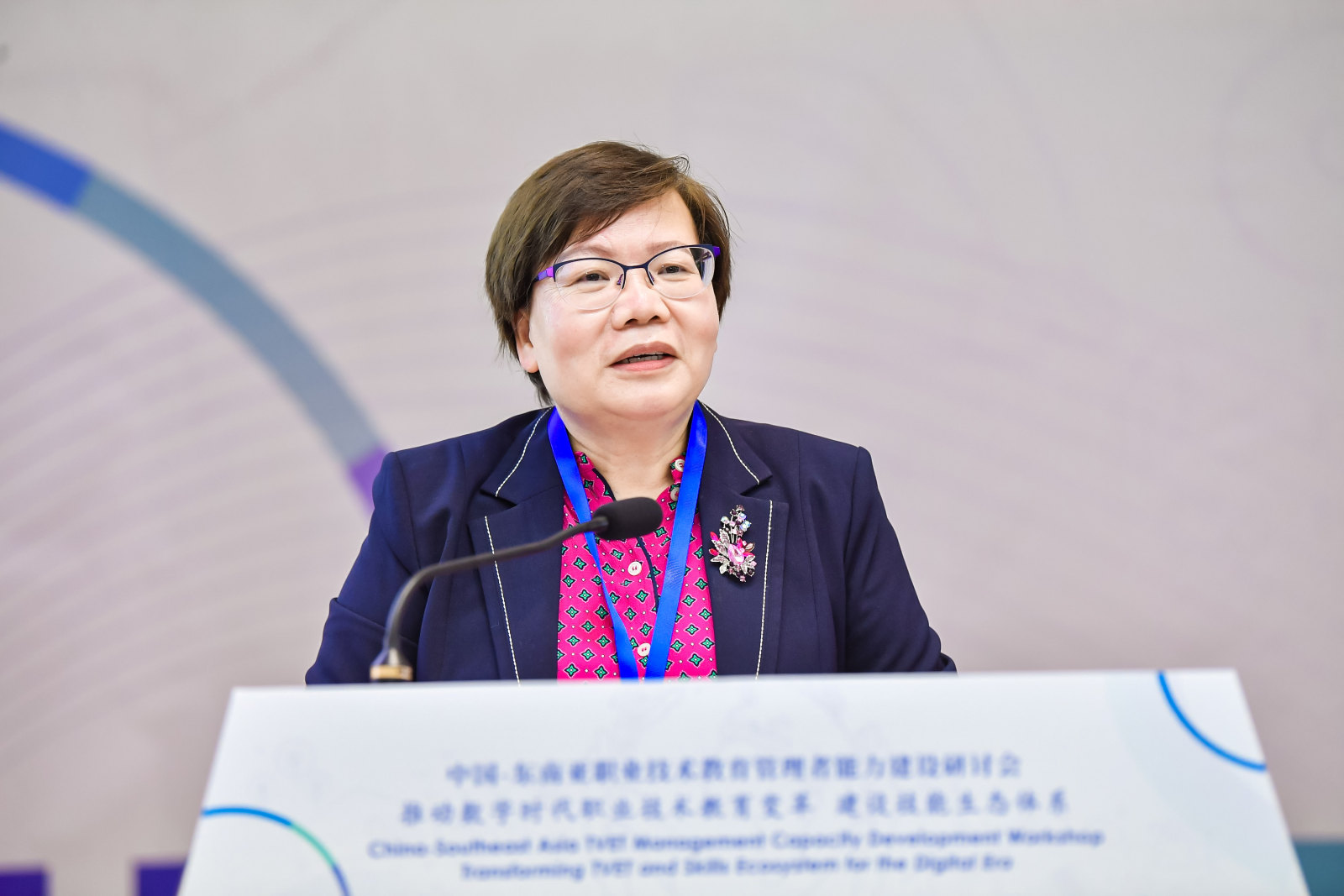
In conclusion, Dr. Liu Yufeng, UNICEF South-South Vocational Education Cooperation Advisor and Researcher at the Vocational Education Development Center of the Ministry of Education, summarised the speakers’ insights. She mapped out common practices in the digital transformation of TVET across various countries, identified shared regional challenges such as infrastructure development, faculty training, and skills mismatches, and emphasised the need to establish a regional skills ecosystem through multi-party collaboration.
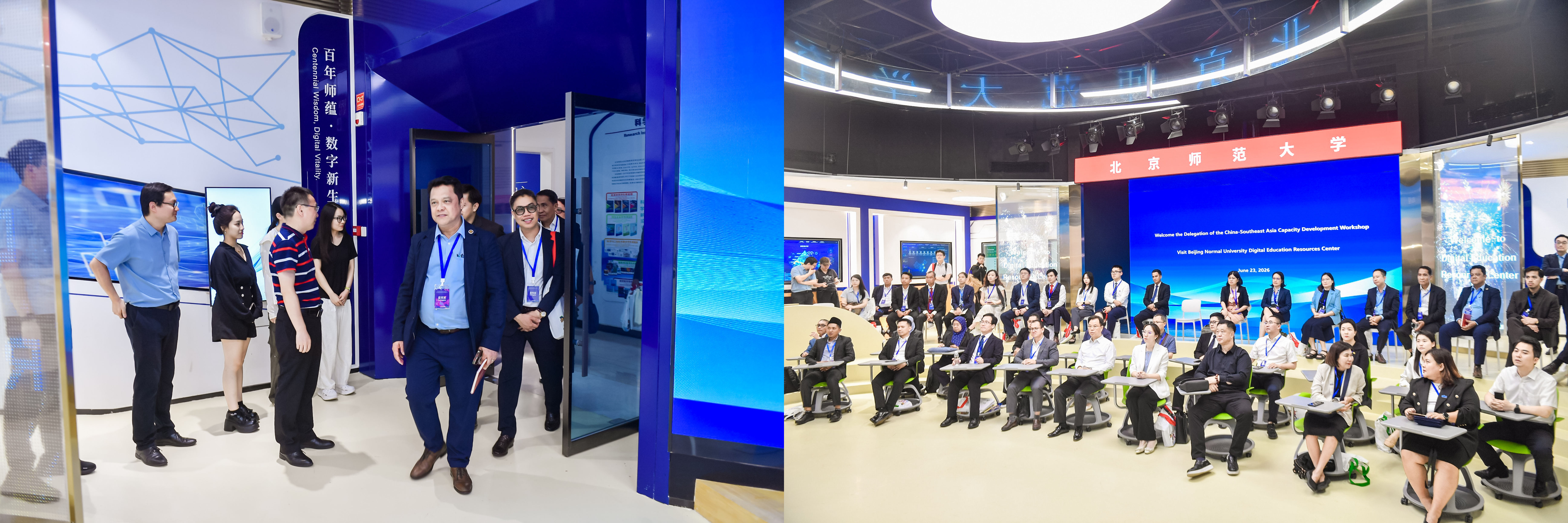
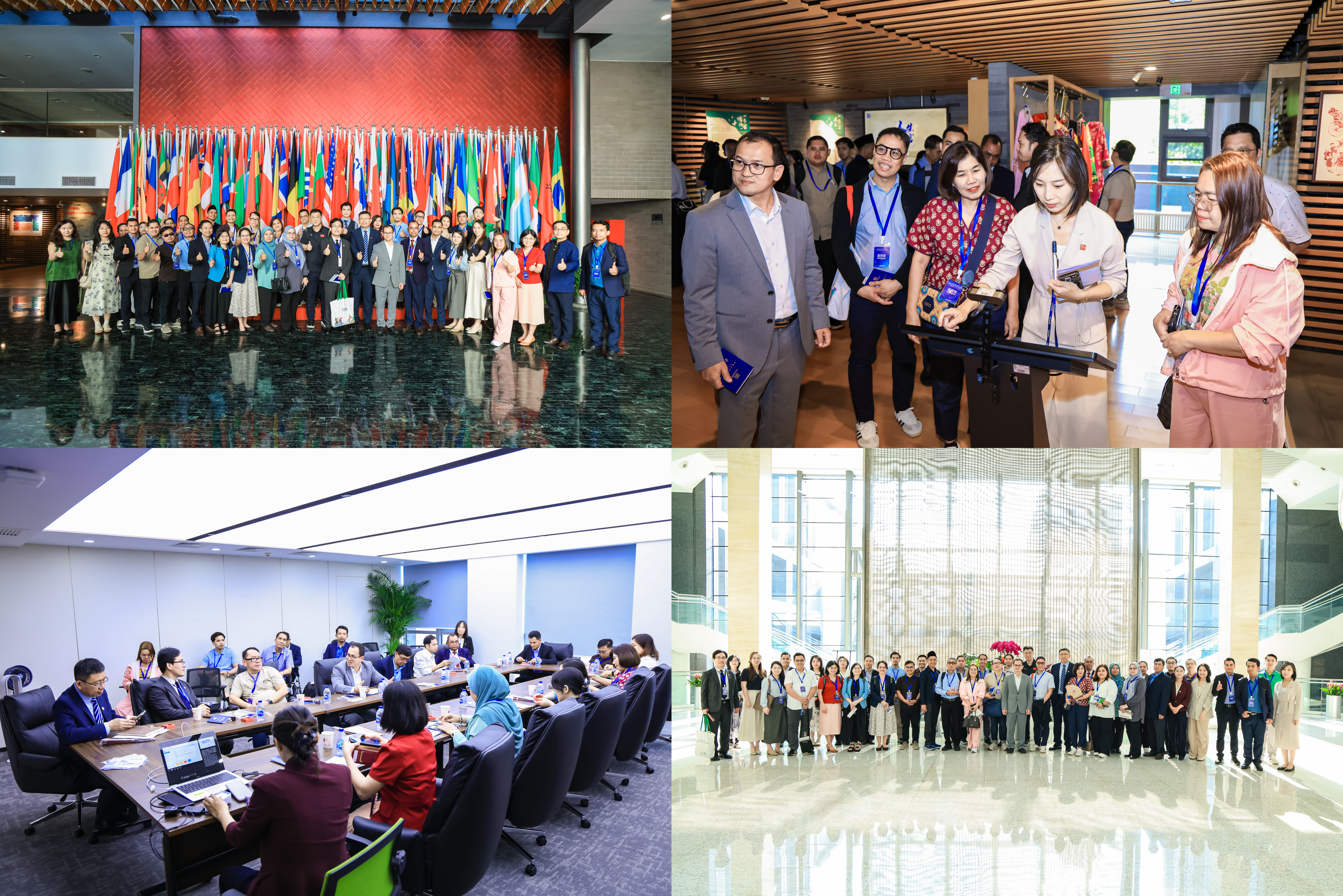
Following the meeting, Southeast Asian representatives visited the Digital Education Resources Center of Beijing Normal University, where they experienced thinking-based teaching research, visual intelligent agents, and dynamic discipline construction platforms, observing the practical integration of educational technology in classrooms.
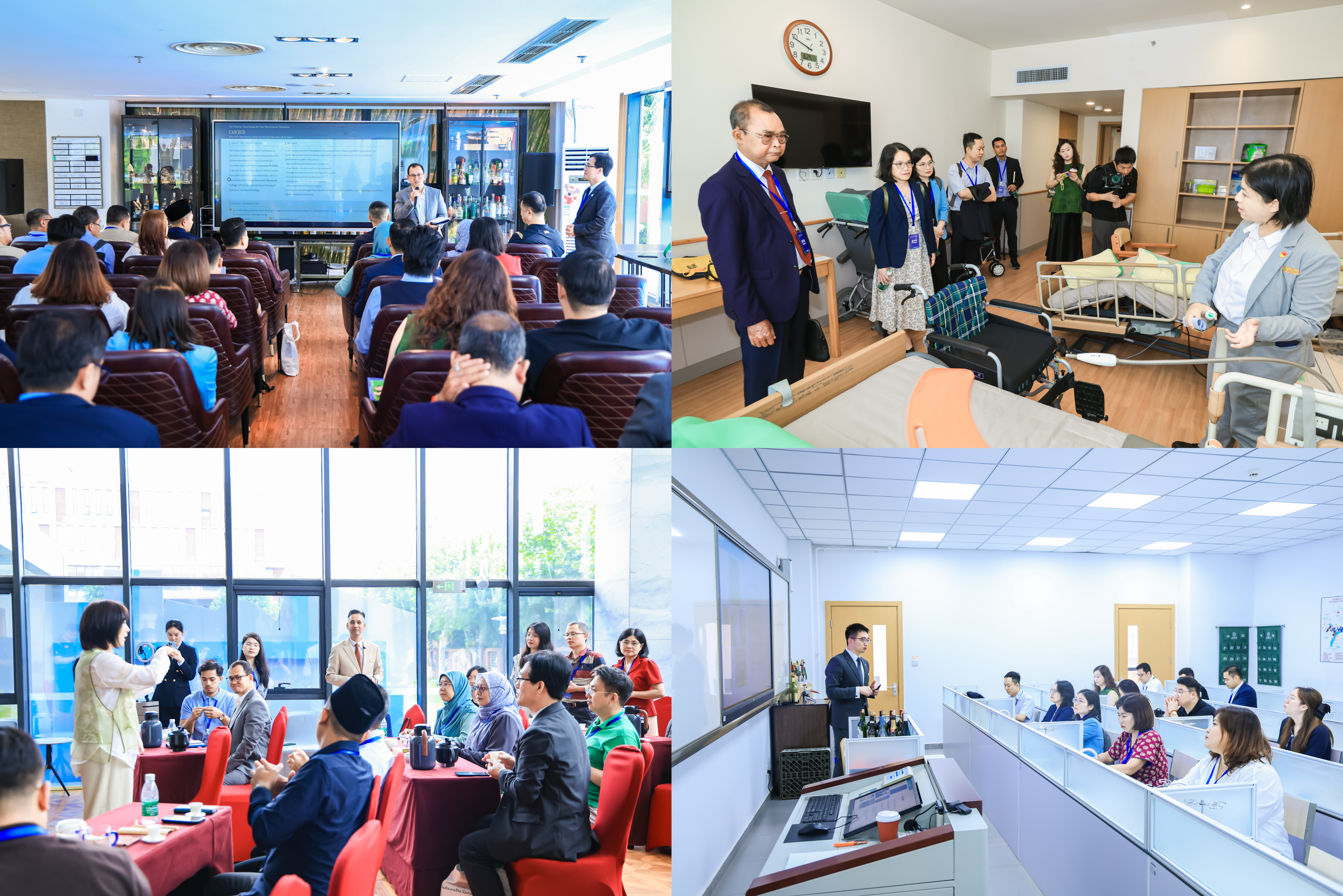
On the morning of June 25, the workshop delegates visited the Beijing Hospitality Institute. They observed courses offered to students majoring in high-end catering service and management, such as wine culture and tasting, and Chinese tea art appreciation and service, engaging in dialogues to gain a deeper understanding of the school’s experience in applied talent cultivation, industry-education integration innovation, and internationalised schooling models. In the afternoon, the delegation visited the Centre for Language Education and Cooperation to experience Chinese culture and discuss potential collaborations on “Chinese + Vocational Education” programs and online Chinese learning platforms.
This workshop was dedicated to building a regular dialogue and international exchange platform for Chinese and Southeast Asian TVET managers. By leveraging policy communication, case sharing, and the implementation of cooperation initiatives, the platform will continuously deepen regional synergy in thematic fields such as digital skills training, industry-education integration, lifelong learning, and rural development. This provides solid support for implementing the United Nations 2030 Sustainable Development Goals and building a China-ASEAN vocational education community.