












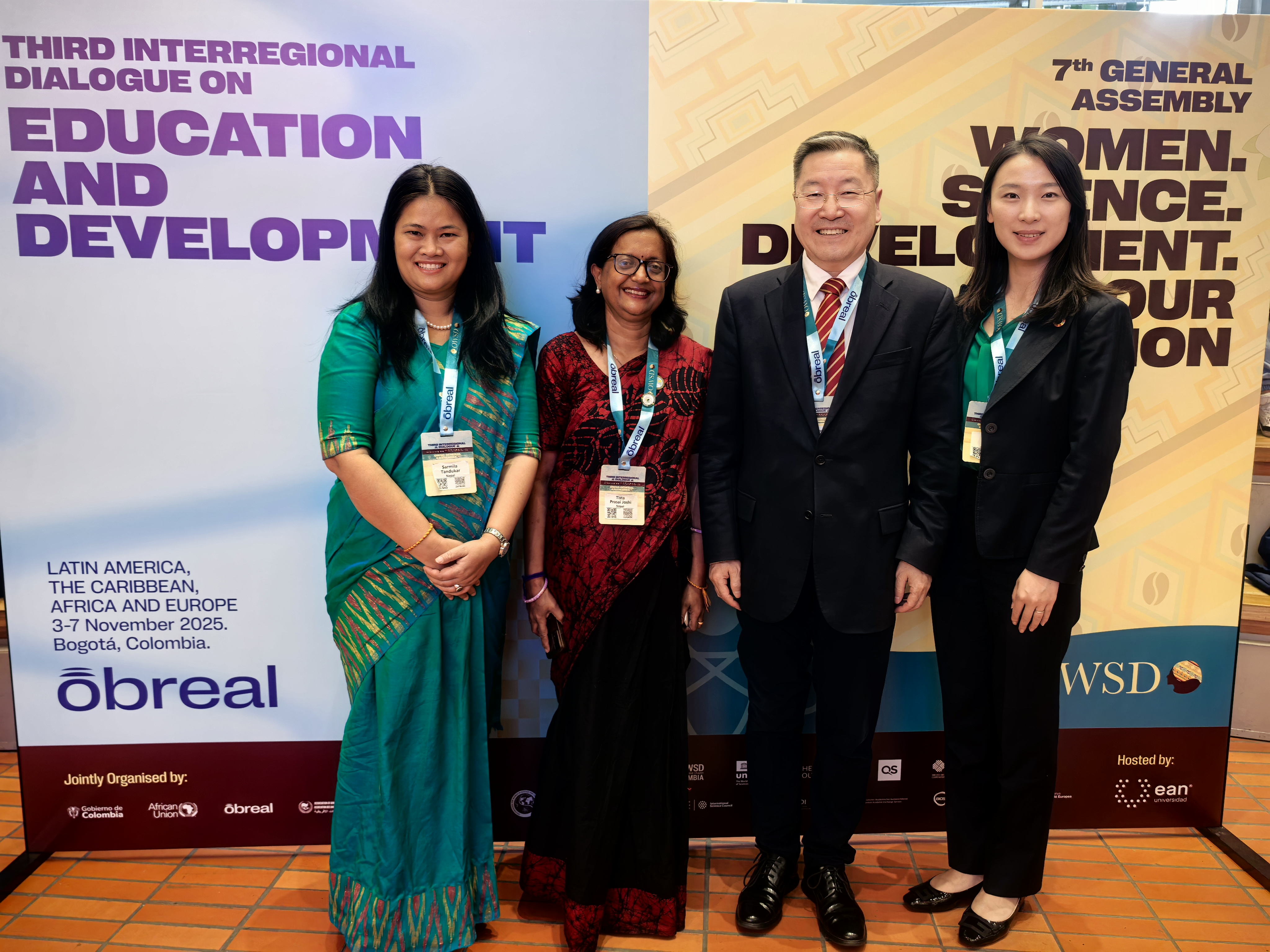
From November 3 to 7, the Third Interregional Dialogue on Education and Development among Latin America, the Caribbean, Africa, and Europe was held in Bogotá, Colombia. The event was co-organized by the African Union Commission, the Colombian Ministry of Science, Technology and Innovation, the Colombian Association of Universities (ASCUN), the Association of African Universities (AAU), and Obreal. Aimed at ensuring the continuity of interregional policy dialogue, the conference brought together over 200 policymakers, educators, and scientists from more than 50 countries to jointly design action plans for priority areas in sustainable development. Prof. Zhou Zuoyu, Director of the UNESCO International Research and Training Centre for Rural Education (INRULED), and Ms. Liu Ruixi, Programme Coordinator of INRULED, were invited to attend and deliver speeches.
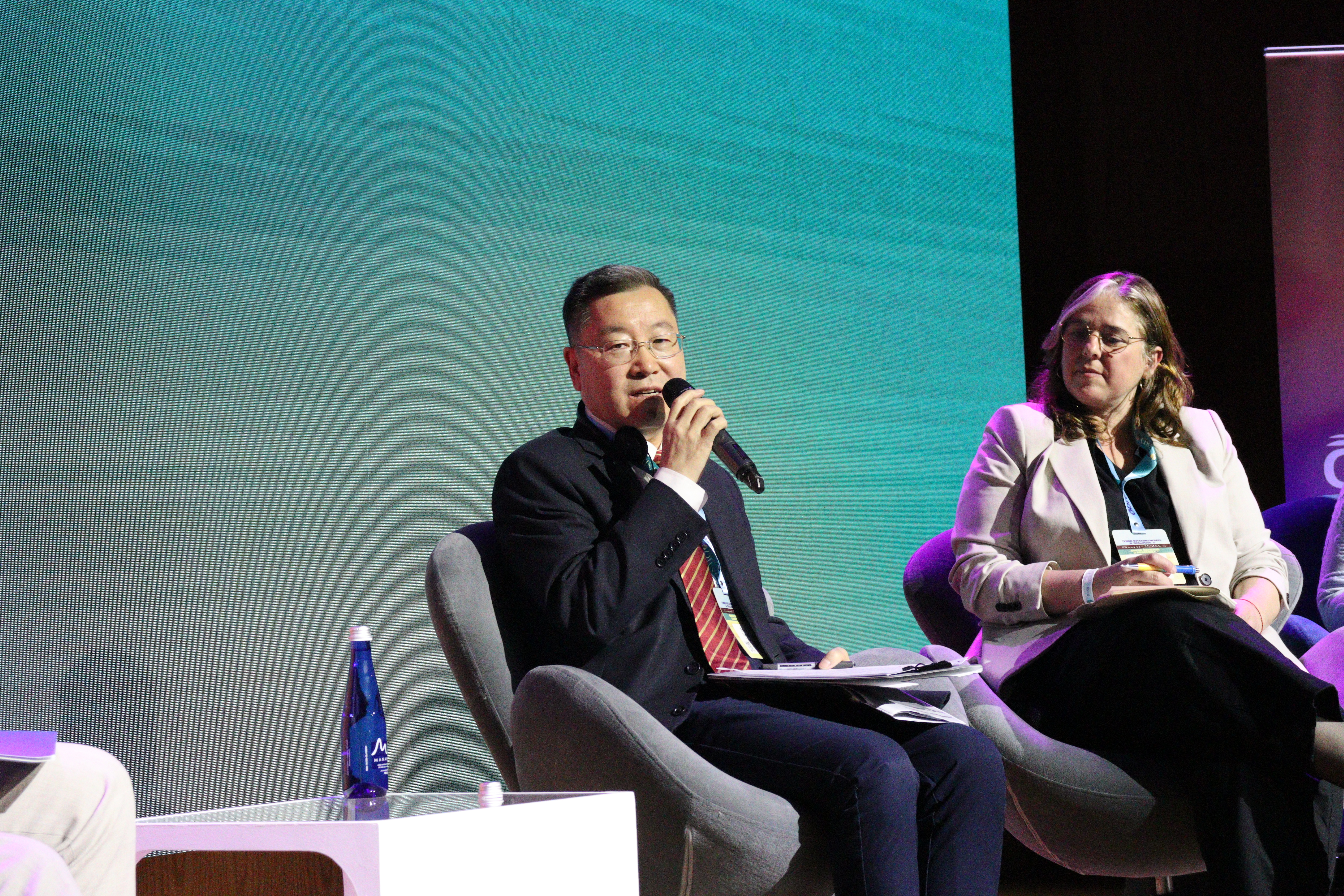
During the plenary session on “Education, Research, and Development: Interregional Perspectives,” Prof. Zhou Zuoyu presented INRULED’s programmes and activities in educational cooperation across Africa, South Pacific island nations, Southeast Asia, and other regions. He highlighted key initiatives such as the Global Institute of Teacher Development, the Beijing Normal University - UNESCODigital Education Collaborative Project for Girls in Africa, and the Southeast Asia Vocational Education Principals’ Workshop. In the roundtable discussion, he emphasized that effective interregional collaboration requires consensus among partners on global development issues, common challenges, and future directions. He also pointed out that cross-regional capacity building should focus on two key aspects: designing activities around universally applicable “transferable skills” to enhance the generality and efficiency of training, and fully leveraging local resources to ensure the sustainable development of educational ecosystems.
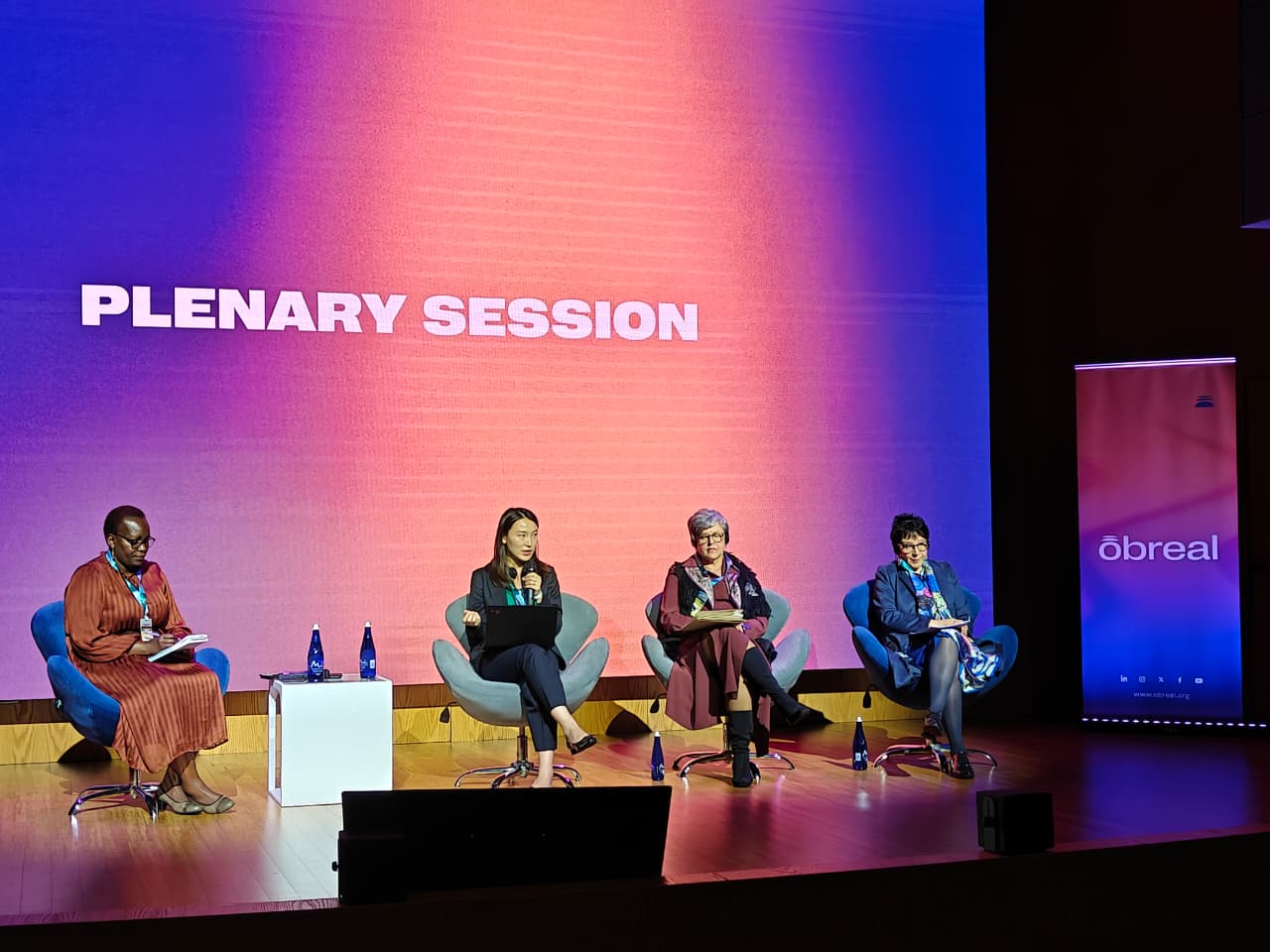
At the parallel forum on “Artificial Intelligence and Local Development,” Ms. Liu Ruixi shared China’s multifaceted approaches to using AI technology to empower rural teachers and bridge the urban-rural education gap. Case studies included partnerships between local governments and enterprises in developing integrated AI-powered education platforms, as well as South-South cooperation projects applying AI to support teaching. She stressed that sustainable AI education practices require national policy guidance, multi-stakeholder collaboration, and localized adaptation of technology, while also addressing challenges such as data ethics and infrastructure gaps to ensure that AI truly serves for educational equity and holistic human development.
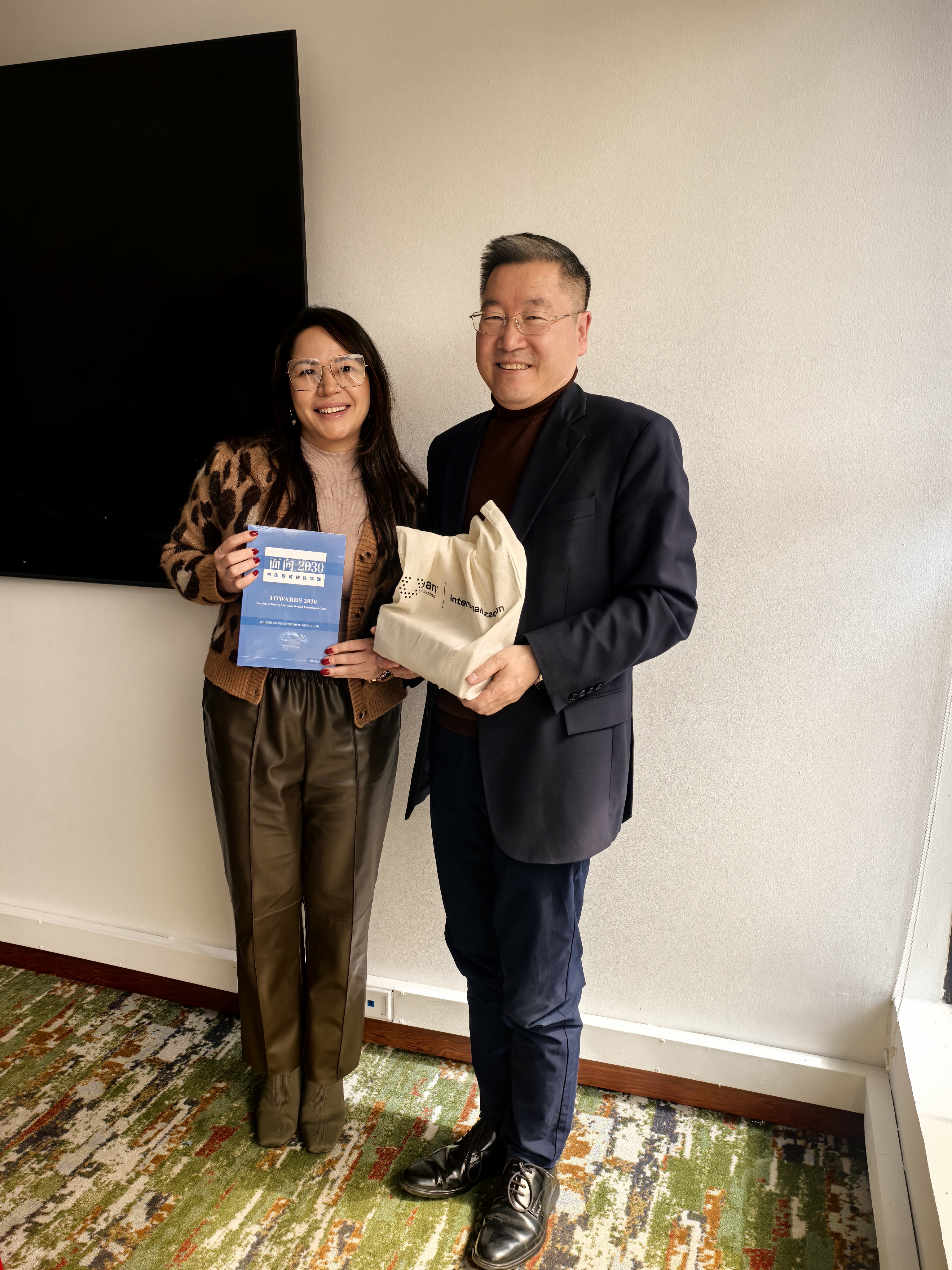
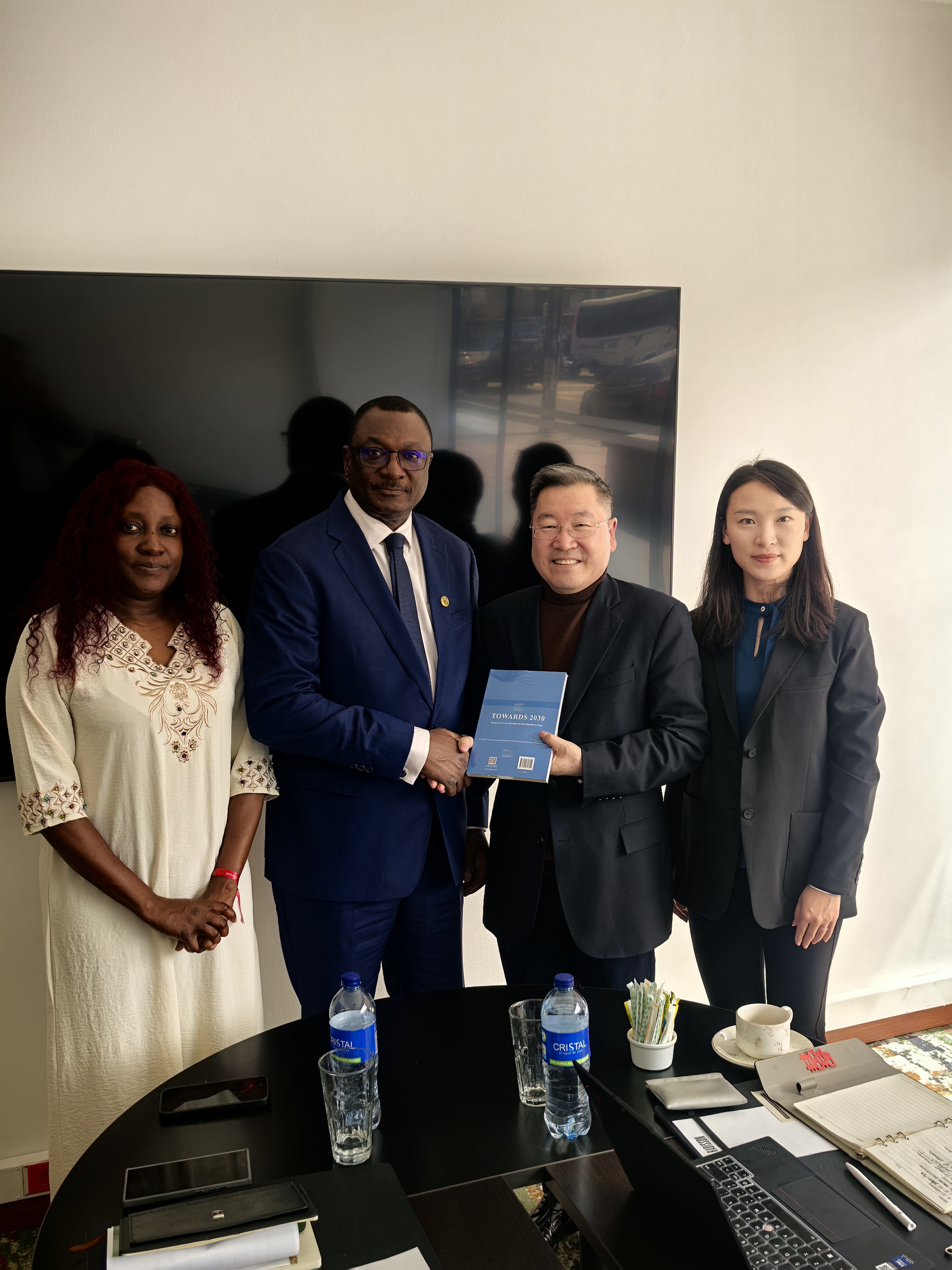
During the conference, INRULED engaged in cooperative discussions with representatives from Obreal, Argentina’s National University of Quilmes, Colombia’s EAN University, and the Pan African University, aiming to expand partnership networks and explore future collaboration opportunities.

This participation not only showcased China’s experience and contributions to regional educational cooperation but also strengthened INRULED’s ties with international partners, injecting new momentum into efforts to promote sustainable rural development in Latin America, the Caribbean, Africa, and globally.